Protecting privacy in the cookieless era — what is ID bridging and how to protect yourself

Since the beginning of the 2020s, we’ve been promised a cookieless future — one where third-party cookies, the cornerstone of surveillance tracking and the linchpin of targeted advertising, no longer exist. While Google’s plan to phase out third-party cookies may have been delayed, there is little doubt, at least in our minds, that sooner or later, we’ll all say au revoir to them.

Why? Privacy regulators around the world, particularly in the EU, are putting increasing pressure on publishers to obtain “freely given” consent from users. Multiple companies, including, more recently, the “unfiltered” social media app BeReal, have faced privacy complaints over how they nudge users into agreeing to tracking with their consent pop-ups. In other words, the definition of consent is becoming increasingly narrow, and both users and regulators are growing frustrated with intrusive pop-ups. The “pay or consent” model, where users are given a simulacre of a choice between paying for content or consenting to nearly all of their data being harvested, is also getting pushback from the regulators. For all its worth, the third-party cookie may not be on its death bed yet, but it’s sailing into the sunset.

In the long run, it seems more than likely that publishers will have to adopt new methods of tracking — ones that both satisfy regulators (ensuring consent is freely given) and feel fair to users, who are tired of navigating the quagmire of dark patterns.

Using hashed email address to track — the reality of tomorrow

One of such methods that has been mentioned as one of the most likely alternatives to the cookie is identification through Persistent User ID. True to its name, this method presumes that there is one or a combination of persistent or long-lasting characteristics specific to one user. While cookies have a limited lifespan, are specific to one browser, and can be cleared anytime (research shows that 58% users delete their cookies regularly, and 40% do so every month), persistent identifiers like hashed email addresses do not have any of these drawbacks. Also, unlike cookies, you can’t track someone’s email address without them first giving it to you. From a regulatory standpoint, this is safer for advertisers, as the user’s consent is clearly given, reducing the risk of privacy-related issues. So, what is hashing exactly?

Email hashing involves transforming a user’s email address into a fixed-length string of characters (a hash) that in theory should be borderline impossible to reverse-engineer. Unlike traditional email addresses, the hashed version of an email cannot be read or understood by anyone who does not have access to the specific algorithm and secret keys used for hashing. This makes it more secure and private than if the email addresses were passed around in plain text.

However, hashing, while providing a layer of obfuscation, does not necessarily make user data fully anonymous or protect privacy as securely as it might seem. This is because hashing still creates a unique signature that can be used to identify individuals across platforms. As the Federal Trade Commission (FTC) pointed out in a 2024 statement, “hashes aren’t ‘anonymous’ and can still be used to identify users,” which means they should not be considered a foolproof method for preserving privacy.

The FTC has repeatedly pointed out that while hashing makes data harder to read, it doesn’t remove the possibility of linking it back to a specific person. Even when email addresses are hashed to hide the original data, the resulting hash is still a unique, persistent identifier. While the hash might look like a random string to most people, it can often be matched with other datasets or reversed, especially if the same hashing method and data are used consistently. Past data breaches make this easier for bad actors. With so many stolen datasets from big breaches floating around online, hackers can use these records to figure out or match hashed emails with the real people behind them, exposing sensitive information and identities.

ID Bridging

The use of hashed email addresses for user tracking can also play a significant role in what’s known as “ID bridging.” ID bridging refers to the practice of linking a user’s activity across multiple platforms or devices by using a persistent identifier like a hashed email address.

Its rise in popularity is directly related to the looming deprecation of cookies. While the third-party cookies are currently in limbo, their eventual demise still seems imminent, largely due to regulatory pressure.

There are two primary methods of ID bridging: deterministic and probabilistic matching. Probabilistic matching involves using complex algorithms to analyze signals like IP addresses, device types, and browsing behavior. While this method can link profiles based on patterns, it is less precise as it relies on statistical inference rather than direct identifiers. On the other hand, deterministic matching, which is often based on hashed emails, offers a more accurate method of identification. For the purpose of this article, we are focusing on email-based identification, but other data — such as mobile numbers and key demographic details — can also be used for deterministic matching. Deterministic matching techniques are especially effective for targeted advertising since they are highly accurate (usually above 80% accurate). But precisely because deterministic matching shows such high effectiveness in merging distinct data of one user across multiple online services, it raises privacy concerns, especially since the user is likely unaware of the full extent of this tracking. How ethical or permissible this method is from the privacy standpoint is a question for a separate debate.

Bottom line, this method ensures that the user’s activity can be accurately linked across different platforms, provided the user logs in on multiple browsers or devices.

Protecting yourself against privacy risks associated with ID bridging

There are several ways to help protect your personal information from being linked across platforms using this new tracking method, which is probably the future of tracking if not the present.

  • The most straightforward and at the same time time-consuming way would be to create separate email accounts for different purposes, such as using one for shopping, another for social media, and yet another for newsletters. For instance, you might have three distinct inboxes (or more) — one for personal use, one for work, and one for online sign-ups.

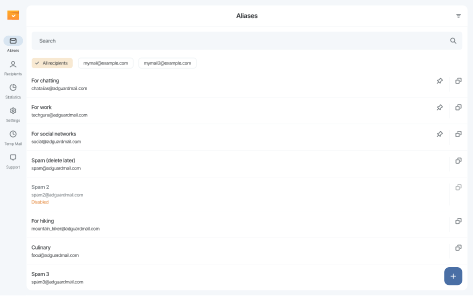
  • There are arguably simpler, ready-made solutions, however. One of them is using an email alias service. The email alias service allows you to create unique email addresses without needing to create entirely new accounts. Put simply, an alias is a forwarding email address that acts as a proxy for your real inbox. For instance, you could use a separate alias for each online store, newsletter, or app. If you no longer wish to receive a specific newsletter or start getting spam from an alias, you can easily disable or delete the alias. Doing so will not affect any emails you’ve already received through it. Addy.io, SimpleLogin are some of the most popular alias service providers on the market.

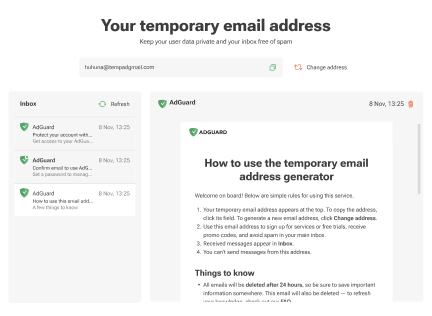
  • Alternatively, you can use a temporary mail account. This is ideal for one-time interactions, like signing for promotions, downloading free trials, or taking part in online giveaways. A temp mail service generates a temporary inbox along with a unique email address, which lasts only as long as you need it. Unlike an alias, which forwards emails to your real inbox, a temp mail is entirely separate and does not connect to your personal email. Once the temp mail has served its purpose, you can delete the address, which will lead to the deletion of the temp mail inbox with all the mail sent to it. That means that unless you’ve saved your mail elsewhere, you will lose all your correspondence. However, it also ensures a higher level of anonymity and privacy for brief online interactions. Services like Guerrilla Mail, 10 Minute Mail are some of the examples of such services.

AdGuard now offers such a solution within our new AdGuard Mail email management tool. Unlike most mail services on the market, AdGuard Mail is a one-in-two solution, combining the functionality of email aliases and temporary email addresses for maximum convenience and flexibility.


Tetszett ez a bejegyzés?
AdGuard VPN AdGuard DNS AdGuard Mail AdGuard Wallet
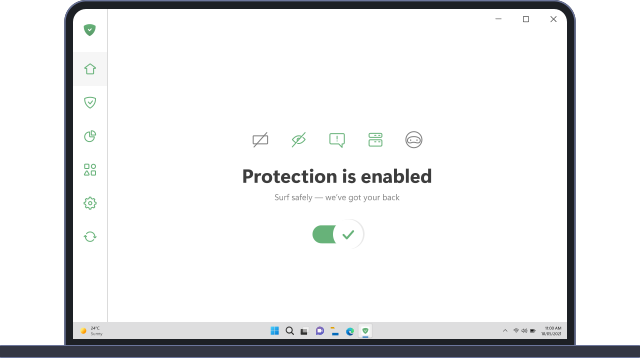
Az AdGuard for Windows főképernyője
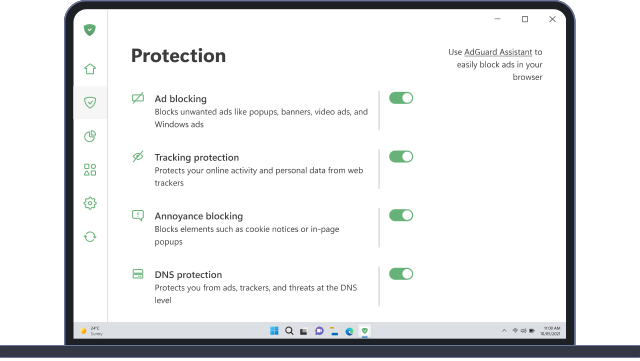
Az AdGuard for Windows Védelem képernyője, amely a védelem funkcióit és beállításait mutatja
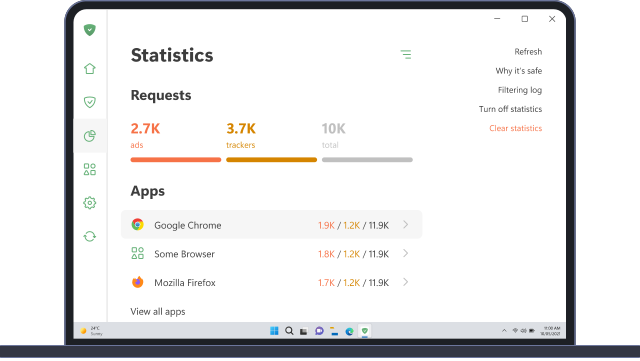
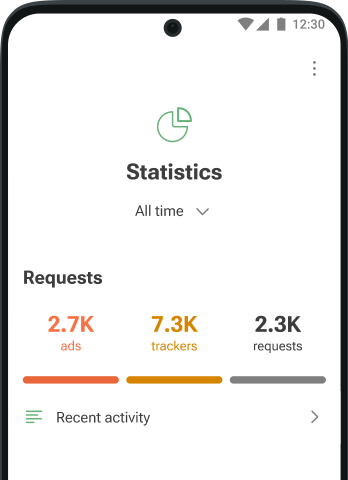
Az AdGuard for Windows Statisztikák képernyője, amely a letiltott hirdetések és nyomkövetők statisztikáit mutatja
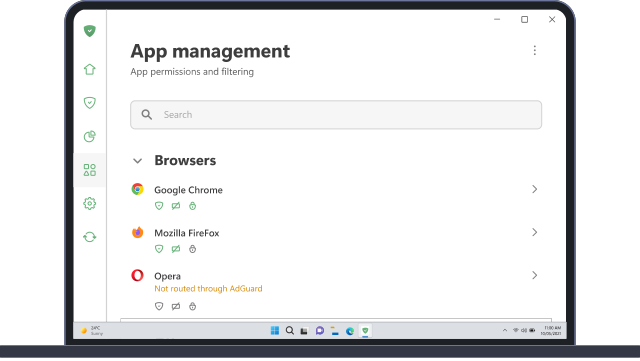
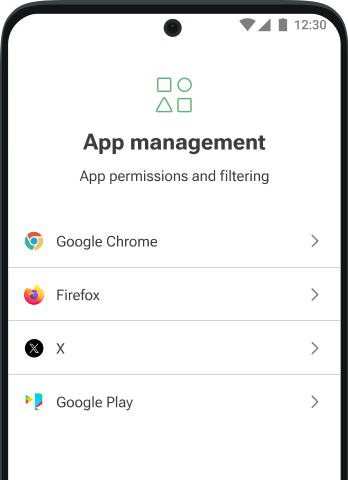
Az AdGuard for Windows Alkalmazáskezelés képernyője, amely az eszközre telepített alkalmazások védelemkezelési beállításait mutatja
20 408 20408 értékelések
Kiváló!

AdGuard: hirdetésblokkoló Windowshoz

Az AdGuard Windowsra több mint egy reklámblokkoló. Ez egy többcélú eszköz, amely blokkolja a hirdetéseket, szabályozza a hozzáférést a veszélyes webhelyekhez, felgyorsítja az oldalak betöltését, és megvédi a gyermekeket a nem megfelelő tartalmaktól
A program letöltésével elfogadja a licencszerződés feltételeit
Microsoft Store
A program letöltésével elfogadja a licencszerződés feltételeit
AdGuard Windowsra v8.0, 14-napos próbaidőszak
Az AdGuard for Mac főképernyője
Az AdGuard Mac-hez Lopakodó mód képernyője
20 408 20408 értékelések
Kiváló!

AdGuard: hirdetésblokkoló Mac-hez

Az AdGuard for Mac egy egyedi reklámblokkoló, amelyet kifejezetten a macOS-hez terveztek. Amellett, hogy megvéd a zavaró hirdetésektől a böngészőkben és az alkalmazásokban, védelmet nyújt a követés, az adathalászat és a csalás ellen
A program letöltésével elfogadja a licencszerződés feltételeit
Olvasson tovább
AdGuard Macre v2.19, 14-napos próbaidőszak
Az AdGuard for Android főképernyője
Az AdGuard for Android Követés elleni védelem képernyője
Az AdGuard for Android Alkalmazáskezelés képernyője, amely az eszközre telepített alkalmazások védelemkezelési beállításait mutatja
Az AdGuard for Android Statisztikák képernyője, amely a letiltott hirdetések és nyomkövetők statisztikáit mutatja
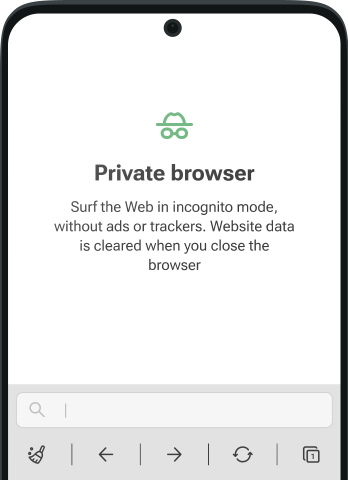
Az AdGuard privát böngészőjének főképernyője Androidon
QR-kód az AdGuard for Android letöltéséhez
20 408 20408 értékelések
Kiváló!

AdGuard: hirdetésblokkoló Androidra

Blokkolja a hirdetéseket és a nyomkövetőket minden böngészőben, játékban és egyéb alkalmazásban. Védi a magánszféráját, és lehetővé teszi, hogy szabályozza, hogyan használják az alkalmazásai az Internetet. APK-n keresztül telepítve
A program letöltésével elfogadja a licencszerződés feltételeit
Olvasson tovább
Letöltésre szolgáló szkennelés
Használjon a készüléken elérhető QR-kódolvasót
AdGuard Androidra v4.14, 14-napos próbaidőszak
Az AdGuard for iOS főképernyője
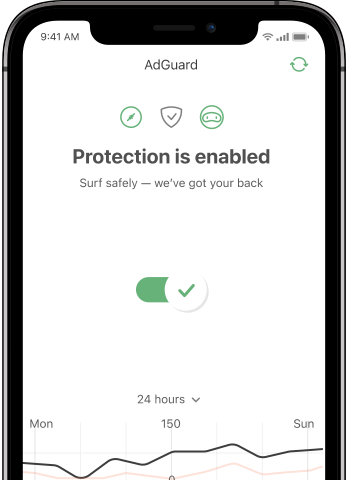
Az AdGuard for iOS Védelem képernyője, amely a védelem funkcióit és beállításait mutatja
Az AdGuard for iOS Statisztikák képernyője, amely a letiltott hirdetések és nyomkövetők statisztikáit mutatja
QR-kód az AdGuard for iOS letöltéséhez
20 408 20408 értékelések
Kiváló!

AdGuard: hirdetésblokkoló az iOS-hez

A legjobb iOS-es reklámblokkoló iPhone-hoz és iPadhez. Az AdGuard mindenféle hirdetést és követőt eltávolít a Safariban, és DNS-szinten védi az adatvédelmedet az összes alkalmazásban
A program letöltésével elfogadja a licencszerződés feltételeit
Olvasson tovább
Letöltésre szolgáló szkennelés
Használjon a készüléken elérhető QR-kódolvasót
AdGuard iOS-re v4.5
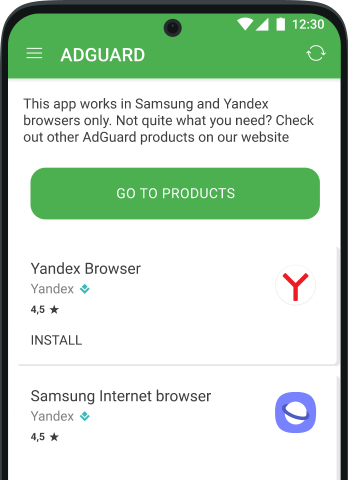
Az AdGuard Content Blocker főképernyője
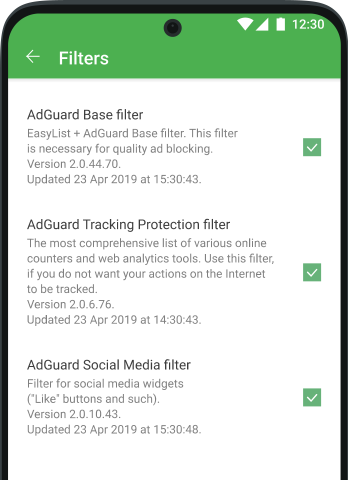
Az AdGuard Content Blocker Szűrők képernyője
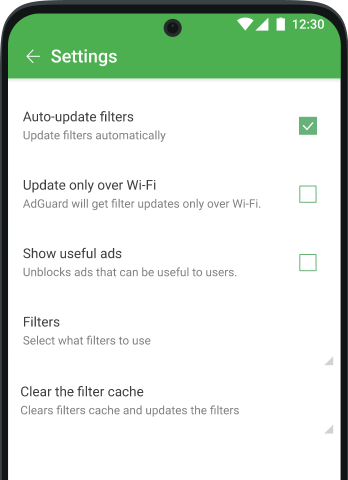
Az AdGuard Content Blocker Beállítások képernyője
20 408 20408 értékelések
Kiváló!

AdGuard Tartalomblokkoló

Az AdGuard Content Blocker kiküszöböli a mobilböngészők minden olyan hirdetését, amely támogatja a tartalomblokkoló technológiát — nevezetesen a Samsung Internet és a Yandex böngésző. Funkciói korlátozottak az AdGuard for Androidhoz képest, de ingyenes, könnyen telepíthető és hatékony
A program letöltésével elfogadja a licencszerződés feltételeit
Olvasson tovább
AdGuard Tartalomblokkoló v2.8
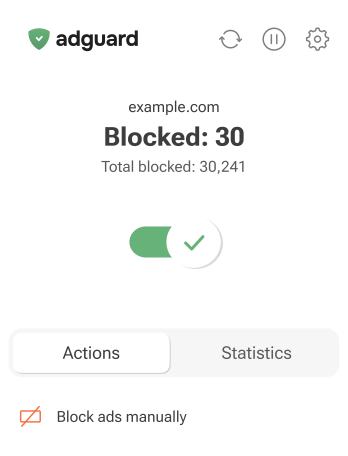
Az AdGuard Browser Extension főképernyője
Az AdGuard Browser Extension Követés elleni védelem képernyője
20 408 20408 értékelések
Kiváló!

AdGuard Böngészőkiegészítő

Az AdGuard a leggyorsabb és a legkönnyedebb hirdetésblokkoló bővítmény, amely hatékonyan blokkolja az összes hirdetéstípust az bármelyik weboldalon! Válassza az AdGuard lehetőséget az Ön által használt böngészőhöz, hogy hirdetésektől mentesen, gyorsan és biztonságosan böngészhessen.
Telepítés
A program letöltésével elfogadja a licencszerződés feltételeit
Telepítés
A program letöltésével elfogadja a licencszerződés feltételeit
Telepítés
A program letöltésével elfogadja a licencszerződés feltételeit
Telepítés
A program letöltésével elfogadja a licencszerződés feltételeit
Telepítés
A program letöltésével elfogadja a licencszerződés feltételeit
Olvasson tovább
AdGuard Böngészőkiegészítő v5.5
Az AdGuard Assistant főképernyője
20 408 20408 értékelések
Kiváló!

AdGuard Asszisztens

A [AdGuard asztali alkalmazások] böngészőbővítménye(https://adguard.com/products.html?_plc=hu). Lehetővé teszi a webhelyek egyéni elemeinek blokkolását, webhelyek hozzáadását az engedélyezési listához, és jelentések küldését közvetlenül a böngészőből
AdGuard Asszisztens v1.4
20 408 20408 értékelések
Kiváló!

AdGuard Home

Az AdGuard Home egy hálózati alapú megoldás a hirdetések és nyomkövetők blokkolására. Telepítse egyszer az útválasztóra, hogy lefedje az otthoni hálózat összes eszközét – nincs szükség további kliensszoftverre. Ez különösen fontos a különféle IoT-eszközök esetében, amelyek gyakran veszélyt jelentenek az Ön magánéletére
AdGuard Home v0.107
Az AdGuard Pro for iOS főképernyője
Az AdGuard Pro for iOS Védelem képernyője, amely a védelem funkcióit és beállításait mutatja
Az AdGuard Pro for iOS Statisztikák képernyője, amely a letiltott hirdetések és nyomkövetők statisztikáit mutatja
20 408 20408 értékelések
Kiváló!

AdGuard Pro iOS-re

Az AdGuard Pro iOS-hez verziója minden fejlett hirdetésblokkoló védelmi funkcióval rendelkezik. Ugyanazokat az eszközöket kínálja, mint az AdGuard iOS fizetős verziója. Kiválóan blokkolja a hirdetéseket a Safariban, és lehetővé teszi a DNS-beállítások testreszabását a védelem személyre szabásához. Blokkolja a hirdetéseket a böngészőkben és alkalmazásokban, megvédi gyermekeit a nem megfelelő tartalmaktól, és biztonságban tartja személyes adatait.
A program letöltésével elfogadja a licencszerződés feltételeit
Olvasson tovább
AdGuard Pro iOS-re v4.5
Az AdGuard Mini for Mac főképernyője
Az AdGuard Mini for Mac Safari védelem képernyője
Az AdGuard Mini for Mac Szabály létrehozása képernyője
20 408 20408 értékelések
Kiváló!

AdGuard Mini Mac-hez — Safari hirdetésblokkoló

Az AdGuard Mini Mac-re egy hatékony Safari hirdetésblokkoló. Ez a könnyű alkalmazás eltávolítja a hirdetéseket, blokkolja a nyomkövetőket, és felgyorsítja az oldalak betöltését. Segít zavaró tényezők nélkül böngészni a webet Safariban, és megőrzi az adataid privát jellegét
AdGuard Mini Mac-hez v2.3
Az AdGuard for Android TV főképernyője engedélyezett védelemmel
Az AdGuard for Android TV hirdetésblokkolás képernyője, amely a funkciókat és beállításokat mutatja
Az AdGuard for Android TV Beállítások képernyője
Az AdGuard for Android TV Alkalmazáskezelés képernyője, amely azokat az alkalmazásokat mutatja, ahol a hirdetések és nyomkövetők le vannak tiltva
20 408 20408 értékelések
Kiváló!

AdGuard Android TV-hez

Az Android TV-hez készült AdGuard az egyetlen alkalmazás, amely blokkolja a hirdetéseket, védi az Ön adatait, és tűzfalként működik a Smart TV-ben. Figyelmeztetéseket kaphat a webes fenyegetésekről, használjon biztonságos DNS-t, és élvezze a titkosított forgalom előnyeit. Pihenjen, és merüljön el kedvenc műsoraiban a csúcsminőségű biztonság és  zero  hirdetés!
AdGuard Android TV-hez v4.14, 14-napos próbaidőszak
Az AdGuard kabalája, Agnar, aki a Linux pingvint tartja
20 408 20408 értékelések
Kiváló!

AdGuard Linuxhoz

Az AdGuard for Linux a világ első rendszerszintű Linux-hirdetésblokkolója. Blokkolja a hirdetéseket és a nyomkövetőket eszközszinten, válasszon az előre telepített szűrők közül, vagy adja hozzá sajátját – mindezt a parancssori felületen keresztül
AdGuard Linuxhoz v1.4
20 408 20408 értékelések
Kiváló!

AdGuard Temp Mail

Ingyenes ideiglenes email címgenerátor, amely névtelenül tartja és védi magánéletét. Nincs spam a fő postaládájában!
20 408 20408 értékelések
Kiváló!

AdGuard VPN

75 végpont világszerte

Hozzáférés bármilyen tartalomhoz

Erős titkosítás

Nincs naplózás

Gyorsabb kapcsolódás

0-24 támogatás

20 408 20408 értékelések
Kiváló!

AdGuard DNS

Az AdGuard DNS egy bolondbiztos módszer az internetes hirdetések blokkolására, amely nem igényel alkalmazásokat. Könnyen használható, teljesen ingyenes, könnyen beállítható bármilyen eszközön, és csak minimálisan szükséges funkciókat biztosít a hirdetések, számlálók, rosszindulatú webhelyek és felnőtteknek szóló tartalmak blokkolásához.
20 408 20408 értékelések
Kiváló!

AdGuard Mail

Védje személyazonosságát, kerülje a kéretlen leveleket, és tartsa biztonságban postafiókját álneveinkkel és ideiglenes email címeinkkel. Élvezze ingyenes email továbbító szolgáltatásunk és alkalmazásaink előnyeit minden operációs rendszerre.
20 408 20408 értékelések
Kiváló!

AdGuard Wallet

Biztonságos és privát kriptopénztárca, amely teljes ellenőrzést biztosít eszközei felett. Kezeljen több pénztárcát, és fedezzen fel több ezer kriptovalutát tárolásra, küldésre és cserére
Az AdGuard letöltése megkezdődött Kattintson a nyíllal jelzett gombra a telepítés elindításához. Válassza a "Megnyitás" lehetőséget, és kattintson az "OK" gombra, majd várja meg a fájl letöltését. A megnyílt ablakban húzza az AdGuard ikont az "Alkalmazások" mappába. Köszönjük, hogy az AdGuardot választotta! Válassza a "Megnyitás" lehetőséget, és kattintson az "OK" gombra, majd várja meg a fájl letöltését. A megnyílt ablakban kattintson az "Telepítés" gombra. Köszönjük, hogy az AdGuardot választotta!
Telepítse az AdGuardot mobileszközökre is: