Crypto wallet drainer
A crypto wallet drainer is a malicious software or scam technique aimed at stealing funds from cryptocurrency wallets by exploiting security vulnerabilities or using social engineering tactics to trick users into revealing sensitive information like private keys, wallet passwords, or seed phrases. Some drainers exploit the human factor and some target technical weaknesses in wallet infrastructure, such as malicious smart contracts or browser extension exploits, allowing unauthorized access without direct user interaction.
A crypto drainer may operate as standalone malware or in combination with other attack vectors, making detection even more difficult. Once access is gained, the attacker can fully control the victim’s wallet and initiate unauthorized transfers of crypto assets to an address they own. Because blockchain transactions are typically irreversible and pseudonymous, victims often have no recourse to recover the stolen funds.
Crypto wallet drainers are an increasingly serious threat in the digital asset space. They take advantage of the decentralized nature of cryptocurrencies, where users are solely responsible for securing their own wallets. The complexity of crypto security — combined with limited user awareness — makes it easier for attackers to succeed. As a result, even experienced users can fall victim to these schemes if they’re not vigilant.
In some cases, the crypto drainer is part of a broader malware suite designed to target multiple types of wallets and digital assets simultaneously, increasing its destructive potential. Cybercriminals often deploy a crypto drainer alongside phishing tools to increase the chances of success. While wallet drainers can operate in different ways, their goal is always the same: gain access to a crypto wallet and remove funds without the user's knowledge or consent. Understanding how these attacks work — and how to recognize and avoid them — is essential for anyone managing digital assets.
How crypto wallet drainers work
Wallet drainers operate through various malicious tactics designed to deceive or exploit users in order to gain access to their wallets. The process typically begins with an attacker leveraging social engineering to trick a victim into interacting with a malicious site or app. Common entry points include phishing emails, fake cryptocurrency platforms, browser extensions, or counterfeit mobile apps.
However, not all attacks rely solely on human error. Some drainers use technical methods — for example, malicious smart contracts may be designed to access funds once a user approves a seemingly harmless transaction. Additionally, browser extensions can abuse permissions or exploit code vulnerabilities to intercept wallet data. Malware is also used to manipulate clipboard data by replacing copied wallet addresses with those belonging to the attacker, leading to accidental transfers. In many cases, a crypto drainer will run silently in the background, waiting for the user to perform an action that grants access.
Once the victim unknowingly interacts with a malicious smart contract or unknowingly grants the attacker access through a compromised extension, the attacker gains control of the wallet. This often results in the rapid transfer of funds to attacker-controlled addresses. These transactions are difficult to trace and are irreversible on most blockchain networks. In some cases, attackers even cover their tracks by removing access logs or masking suspicious activity, leaving victims unaware until their funds are already gone. Advanced versions of the crypto drainer are now leveraging AI to mimic user behavior, making detection by conventional tools even harder.
The stealthy nature of a crypto drainer makes it especially dangerous, as users may not realize they’ve been compromised until it’s too late. This underscores the importance of proactive security practices and constant vigilance when handling cryptocurrency assets.
Types of crypto wallet drainers
Crypto wallet drainers come in various forms, each using different methods to compromise a user’s wallet. Understanding these types is crucial for protecting yourself.
Phishing attacks: One of the most common methods. Attackers impersonate legitimate platforms — such as exchanges or wallet providers — and trick users into entering private keys, seed phrases, or credentials on fake websites or apps. Once entered, the attacker uses this information to access and drain the wallet.
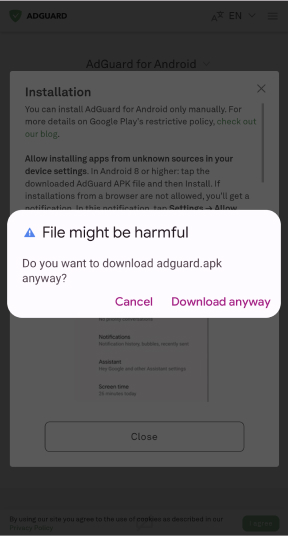
Malicious apps: Some drainers disguise themselves as legitimate wallet apps or crypto tools. Once downloaded, they request excessive permissions or silently steal sensitive data like private keys. These apps may appear on official app stores or be distributed via deceptive websites.
Compromised private keys: If a user’s private key is exposed — whether through phishing, malware, or unsafe storage — the attacker can access the wallet directly. This often happens when users store keys unencrypted on devices connected to the internet or share them without realizing the consequences.
Common signs of a crypto wallet drainer attack
Detecting a crypto wallet drainer attack early can help minimize the damage and allow users to take necessary steps to secure their funds. Here are some common signs that your crypto wallet may have been compromised:
Unexpected or suspicious transactions: One of the first and most noticeable signs of a wallet drainer attack is the presence of transactions or withdrawals that you did not initiate. This includes sudden transfers of funds or tokens to unfamiliar addresses. In some cases, attackers may conduct multiple small transfers instead of large ones to avoid detection. Monitoring for any unusual transaction patterns — especially frequent low-value movements — is critical. If you notice anything unrecognized, it’s essential to investigate and take immediate action.
Inability to access wallet: After a crypto wallet drainer attack, users may find that they cannot access their wallet or the funds within it. This could happen if the attacker has changed the wallet’s recovery phrases or private keys, effectively locking the original owner out. If you suddenly find yourself unable to access your wallet, it is a strong indication that something may have gone wrong, and you should take steps to secure your assets immediately.
Alerts from wallet providers: Many wallet providers offer security alerts to notify users of suspicious activities. If your wallet provider flags unusual login attempts, failed access attempts, or transactions from unfamiliar devices, this could signal that your wallet is under threat. These alerts should be taken seriously, and you should act swiftly to secure your account—whether by changing passwords, enabling two-factor authentication (2FA), or moving your funds to a safer wallet.
Some modern crypto drainer tools are capable of bypassing basic alert systems, so never rely solely on automated warnings.
How to protect your crypto wallet from drainers
As cryptocurrencies become more valuable and widely adopted, they have also attracted cybercriminals looking to exploit unsuspecting users. One of the most common threats is wallet drainers—malicious tools or tactics that stealthily extract funds from wallets without the owner's consent. To stay ahead of these risks, it's essential to adopt proactive security measures. Using blockchain analysis tools can help detect patterns commonly associated with a crypto drainer attack, enabling more timely responses. The following strategies will help you safeguard your crypto assets from unauthorized access and theft.
Use hardware wallets: One of the most effective ways to protect your cryptocurrency holdings from drainers is to use a hardware wallet. Hardware wallets, also known as cold storage, store your private keys offline, making it nearly impossible for hackers to access them remotely. By keeping your keys on a physical device, you minimize the risk of them being exposed to phishing attempts, malware, or other online threats. For long-term holdings, a hardware wallet is an essential layer of protection.
Enable two-factor authentication (2FA): Two-factor authentication (2FA) adds an additional layer of security to your wallet. Even if a hacker gains access to your password, they will still need the second factor, typically a code sent to your phone or email, to access your account. Enabling 2FA significantly reduces the chances of unauthorized access, making it harder for wallet drainers to successfully steal your funds.
Be wary of phishing links: Phishing attacks are a common tactic used by scammers to steal private keys and access cryptocurrency wallets. To avoid falling victim to these attacks, always double-check links before clicking. Ensure that the website URL matches the official address of your wallet provider, and never enter your private keys or seed phrases on suspicious sites. Be cautious of unsolicited emails or messages directing you to websites that seem too good to be true. When in doubt, always go directly to the official website of your wallet provider by typing the URL into your browser.
Keep private keys and seed phrases safe: Your private keys and seed phrases are the keys to your crypto holdings. If these are stolen or compromised, your entire wallet can be drained. Never share your private keys with anyone, and ensure that they are stored securely offline in a safe place, such as on a piece of paper in a locked drawer or on a dedicated hardware device. Never store them digitally on devices connected to the internet, as these are vulnerable to cyberattacks.
Verify wallet applications and extensions: Only download wallet applications and browser extensions from trusted sources, such as the official app stores or the wallet provider’s website. Always verify the legitimacy of any app or extension before installing it. Read reviews, check for developer information, and look for any reports of suspicious activity associated with the application. Avoid third-party apps and tools that could potentially be malicious or compromised.
Regularly monitor your wallet: Make it a habit to frequently check your wallet for any unauthorized or suspicious activity. By reviewing your transaction history and monitoring your balance, you can quickly spot any withdrawals or transfers you didn’t initiate. The earlier you detect an attack, the better your chances are of preventing further loss. Some wallet providers also offer notification alerts for unusual activities, which can provide an extra layer of security.
What to do if you've been targeted by a crypto wallet drainer
If you believe your wallet has been compromised, act fast:
Secure your accounts: Change all related passwords and enable 2FA on linked services like email and exchanges. Move any remaining funds to a secure wallet.
Contact your wallet provider and exchange: Report the breach and request they monitor or freeze activity if possible. Some exchanges can track addresses or block future transfers.
Report to authorities: Report the incident to local law enforcement or cybercrime units. Cryptocurrency theft is a financial crime in many jurisdictions.
Consider forensic assistance: Some cybersecurity firms specialize in tracking blockchain transactions and investigating wallet thefts. While recovery isn’t guaranteed, they may help identify the attacker or trace stolen assets.
Unfortunately, recovery is rare — especially if funds are moved through mixers or cross-chain bridges. However, quick action can prevent further damage and help with investigations. Most importantly, use the experience to improve your wallet security and stay vigilant against future threats.
FAQ
What is a crypto wallet drainer?
A crypto wallet drainer is a malicious tool or fraudulent scheme designed to steal funds from cryptocurrency wallets. It exploits security flaws or uses social engineering to trick users into revealing private keys, passwords, or seed phrases. Once the attacker gains access, they can transfer funds irreversibly.
How do crypto wallet drainers work?
They operate through deception or technical exploits. Common tactics include phishing emails, fake crypto platforms, malicious browser extensions, and corrupted smart contracts. Some drainers silently monitor users and strike when permissions are granted, while advanced ones use AI to mimic user actions and avoid detection.
What are the main types of crypto wallet drainers?
Phishing attacks: Fake websites or apps trick users into entering sensitive data.
Malicious apps: Disguised as legitimate crypto tools but secretly steal information.
Compromised private keys: Keys exposed through malware or unsafe storage allow direct access to wallets.
How do you detect a drainer attack?
Unrecognized or suspicious transactions.
Sudden inability to access your wallet.
Security alerts or warnings from wallet providers. Some advanced drainers can even bypass alerts, so manual monitoring is essential.
How can I protect my crypto wallet from drainers?
Use hardware wallets (cold storage) to keep keys offline.
Enable two-factor authentication (2FA).
Avoid suspicious links and only visit verified URLs.
Keep private keys and seed phrases offline and secure.
Download apps/extensions only from official sources.
Regularly monitor your wallet for unusual activity.
What should I do if my wallet has been compromised?
Change all passwords and enable 2FA immediately.
Move remaining funds to a new, secure wallet.
Contact your wallet provider and exchange to report the breach.
Report the incident to law enforcement or cybercrime authorities.
Consider hiring a blockchain forensic service to trace stolen assets.
Can stolen funds be recovered?
Recovery is difficult because blockchain transactions are irreversible and pseudonymous. However, fast reporting can help limit losses and assist investigations.
Why are crypto wallet drainers becoming more common?
As cryptocurrencies grow in value and adoption, cybercriminals are increasingly targeting users. The decentralized nature of crypto means individuals are solely responsible for their own security — making awareness and vigilance crucial.