AdGuard’s digest: Apple’s tracking trouble, AI detector’s demise, OpenAI chief’s eye-scanning quest

In this edition of AdGuard’s digest: France probes Apple for tracking users, OpenAI scraps its AI text detection tool, hospitals get alerted about Meta’s and Google’s data collection, OpenAI CEO’s side hustle sparks privacy concerns, all while Google and Apple team up to stop unwanted AirTag tracking.

France probes Apple for abusing its position to track users

A French watchdog has launched a formal investigation into whether Apple violated antitrust laws by tracking people through its native apps. The watchdog, L’Autorité de la Concurrence, released a statement accusing Cupertino of “abusing its dominant position by imposing discriminatory, non-objective and non-transparent conditions for the use of user data for advertising purposes.”

What the regulator meant is that Apple has been using the data it collects from its own apps, such as its News and Stocks apps, to track users across its own iOS ecosystem. But unlike third-party apps, they don’t have to ask users for permission to track them. This is because Apple insists that what it is doing is not tracking because it stays within its own platform. However, third-party advertisers disagree, accusing Apple of hypocrisy. The French watchdog’s investigation stems from the 2020 complaint by “victims” of Apple’s policy, who face reduced ad revenue from people who opted out of third-party tracking at Apple’s nudging.

We have already written about how Apple stands to gain from cracking down on third-party tracking with its App Tracking Transparency (“ATT”) feature. It seems that the French regulator is not impressed by Apple’s semantic excuse. Whatever comes next, we think ATT is great in the sense that it has helped reduce tracking, but we would like to see all tracking labeled as such, no matter where it comes from.

OpenAI drops its AI text detection tool due to poor accuracy

Risking to disappoint all educators around the world, OpenAI put a lid on its ‘AI classifier’ tool that was supposed to distinguish between text written by a human and that generated by AI. In an update, OpenAI said that the tool was discontinued“due to its low rate of accuracy.”

The classifier, which once seemed to be the saving grace for teachers, lasted for half a year. However, for those who read a statement about its initial launch even that might seem too long. Already when introducing the tool in January, OpenAI warned that it was not “fully reliable.” And that was a massive understatement, if you ask us: the statement revealed that the AI classifier correctly identified 26% of AI-written text, which, by any standard, is not reliable at all.

Announcing the AI classifier’s demise, OpenAI noted that it was not giving up on finding effective techniques that would allow distinguishing between human and AI-generated text as well as audio and image. It sounds encouraging. While OpenAI’s first try might have been a flop, such tools are needed not only to catch classroom cheats, but also to prevent abuse of AI, for instance, for spam, fake news and deep fakes. But with how rapidly AI evolves, we can only hope that conjuring up such detection tools won’t become an insurmountable task.

US agencies warn hospitals: Don’t let Meta and Google spy on your patients’ data

The US Department of Health and Human Services (HHS) and the Federal Trade Commission (FTC) have sent a letter to about 130 US hospitals and telehealth providers, urging them to stop sharing sensetive patient data with Meta and Google through their websites. The letter reminds them that they have a legal obligation to protect the privacy and security of sensitive health information, such as diagnoses, doctor appointments, and medical treatments, and not to disclose it to third parties without consent, even if they don’t profit from it.

The letter is part of a regulatory crackdown on the use of tracking codes that enable hospitals to monitor user behavior for marketing purposes. A recent survey revealed that more than 98% of American hospitals embed third-party tracking codes that routinely transfer patients’ data to big tech corporations, social media, advertisers and data brokers. This practice has been exposed by the Markup’s investigation last year, which led to several lawsuits against Meta for collecting patient data without consent and using it to target ads on and off Facebook. Meta denied any wrongdoing and blamed the hospitals for choosing to install the trackers.

It’s great to see that the US is taking action on this issue of rampant tracking that Meta and Google conduct on websites that contain highly sensitive information about people’s health. The leak or misuse of this data could result in identity theft, blackmail and public humiliation. We hope that the regulators will follow through on this issue, and that hospitals will be more careful about the analytics tools they use, prioritizing patient privacy over their own convenience.

OpenAI boss’ iris scanning project sparks privacy concerns

OpenAI CEO Sam Altman’s new cryptocurrency project has sparked concerns in the UK, where the privacy regulator has launched an inquiry into it. The project, called Worldcoin, aims to create a unique digital ID for every person on the planet that can be used to verify their identity online and prevent AI impersonation. However, how this idea is being implemented some have found unsettling.

To get your World ID, which you can access through the Worldcoin app on your smartphone, you have to scan your iris with a spherical device called “the Orb” at one of the project’s locations. As a reward, you will receive some Worldcoin (WLD), a new cryptocurrency that the project hopes will become widely used. The project has been busy scanning irises in 35 cities across 20 countries, including London, where people lined up in the dark to get their eyes scanned for about $50 worth of WLD.

OpenAI CEO Sam Altman posted a video of people lining up to have their irises scanned in exchange for a financial reward

The privacy concerns revolve around Worldcoin’s use of iris-scanning tech and potentially wide-ranging consequences for privacy and security in case of a breach. Ethereum’s co-founder Vitalik Buterin has pointed to some of these risks in his blog post, warning that a leak of iris hash data can reveal personal information such as medical conditions, ethnicity, and sex. There’s also an emergent problem of fake Worldcoin IDs, fuelled by reports of people in poorer countries willing to “sell” their irises to register the Worldcoin app and get the reward.

We are not sure what to make of this idea. It seems to have a noble vision, but it also seems to have a lot of flaws and uncertainties. We would not perhaps rush to scan your irises for coins just yet.

Your Android phone will (finally) alert you if you’re being tracked

A new feature on Android phones will automatically notify you if someone is using an Apple tracking device, called an AirTag, to track you without your permission. Your Android phone will now alert you with a message if it senses an unknown AirTag moving with you. The message will tell you where and when the AirTag started following you, and how to disable it by removing its battery. You can also make the AirTag play a sound to help you locate it and see if it belongs to someone you know or not. You will also be able to scan your surroundings for AirTags yourself. In its blog post, Google said that it plans to expand the detection feature to other Bluetooth-powered tracking devices.
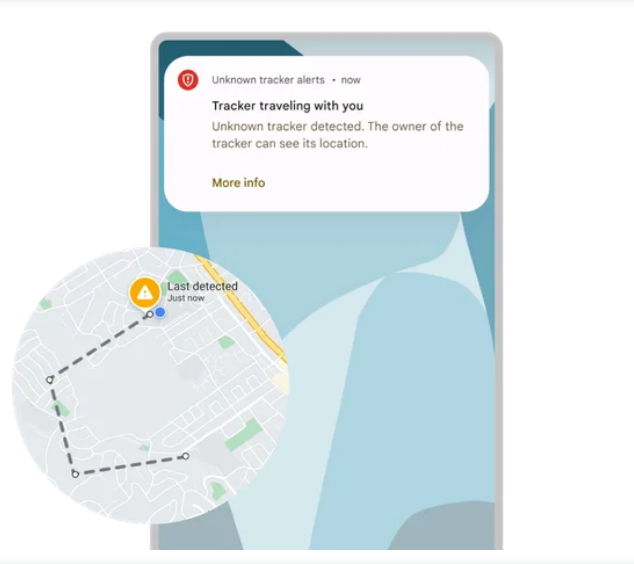
An example of an alert that an Android phone user recieves if an unkown AirTag is tracking them

AirTag’s intended purpose is to help users find their keys and other misplaced items. Instead, the tracker has been in the media spotlight mostly for reports of it being used to stalk people. Previously, Android users could only scan for nearby AirTags by downloading an official Tracker Detect app from Apple.

The fact that Android users now have a way to avoid unwanted tracking is great news. This is a rare example of two tech giants, Google and Apple, working together for a good cause. We hope to see more of this in the future.


Podobał Ci się ten post?
AdGuard VPN AdGuard DNS AdGuard Mail AdGuard Wallet
Ekran główny AdGuard dla Windows
Ekran ochrony AdGuard dla Windows, pokazujący funkcje ochrony i ustawienia
Ekran statystyki AdGuard dla Windows, pokazujący statystyki zablokowanych reklam i trackery
Ekran Zarządzanie aplikacjami w AdGuard dla Windows, pokazujący opcje zarządzania ochroną dla aplikacji zainstalowanych na urządzeniu
20 752 20752 recenzje
Doskonały!

AdGuard dla Windows: bloker reklam na PC

AdGuard dla systemu Windows to coś więcej niż bloker reklam. To wielofunkcyjne narzędzie, które blokuje reklamy, kontroluje dostęp do niebezpiecznych stron, przyspiesza ładowanie stron i chroni dzieci przed nieodpowiednimi treściami
Pobierając program, akceptujesz warunki Umowy licencyjnej
Microsoft Store
Pobierając program, akceptujesz warunki Umowy licencyjnej
AdGuard na Windows v8.0, 14-dniowa wersja próbna
Ekran główny AdGuard dla Mac
Ekran Trybu ukrytego w AdGuard dla Mac
20 752 20752 recenzje
Doskonały!

AdGuard: bloker reklam na Maca

AdGuard dla Mac to wyjątkowy bloker reklam zaprojektowany z myślą o macOS. Oprócz ochrony przed uciążliwymi reklamami w przeglądarkach i aplikacjach chroni Cię przed śledzeniem, phishingiem i oszustwami
Pobierając program, akceptujesz warunki Umowy licencyjnej
Przeczytaj więcej
AdGuard na Mac v2.19, 14-dniowa wersja próbna
Ekran główny AdGuard dla Android
Ekran Ochrona przed śledzeniem w AdGuard dla Android
Ekran Zarządzanie aplikacjami w AdGuard dla Android, pokazujący opcje zarządzania ochroną dla aplikacji zainstalowanych na urządzeniu
Ekran statystyki AdGuard dla Android, pokazujący statystyki zablokowanych reklam i trackery
Ekran główny prywatnej przeglądarki AdGuard dla Android
Kod QR, aby pobierz AdGuard dla Android
20 752 20752 recenzje
Doskonały!

AdGuard: bloker reklam na Androida

Blokuje reklamy i moduły śledzące we wszystkich przeglądarkach, grach i innych aplikacjach. Chroni Twoją prywatność i pozwala kontrolować, w jaki sposób aplikacje korzystają z Internetu. Instalowane za pomocą pliku APK
Pobierając program, akceptujesz warunki Umowy licencyjnej
Przeczytaj więcej
Skanuj, aby pobrać
Użyj dowolnego czytnika kodów QR dostępnego w Twoim urządzeniu
AdGuard na Android v4.14, 14-dniowa wersja próbna
Ekran główny AdGuard dla iOS
Ekran ochrony AdGuard dla iOS, pokazujący funkcje ochrony i ustawienia
Ekran statystyki AdGuard dla iOS, pokazujący statystyki zablokowanych reklam i trackery
Kod QR, aby pobierz AdGuard dla iOS
20 752 20752 recenzje
Doskonały!

AdGuard na iOS: bloker reklam poza Safari

Najlepszy bloker reklam na iOS dla iPhone’a i iPada. AdGuard usuwa wszelkiego rodzaju reklamy i elementy śledzące w Safari oraz chroni Twoją prywatność we wszystkich aplikacjach na poziomie DNS
Pobierając program, akceptujesz warunki Umowy licencyjnej
Przeczytaj więcej
Skanuj, aby pobrać
Użyj dowolnego czytnika kodów QR dostępnego w Twoim urządzeniu
AdGuard na iOS v4.5
Ekran główny AdGuard Content Blocker
Ekran Filtry w AdGuard Content Blocker
Ekran ustawienia w AdGuard Content Blocker
20 752 20752 recenzje
Doskonały!

Blokada treści AdGuard

AdGuard Content Blocker eliminuje wszelkiego rodzaju reklamy w przeglądarkach mobilnych, które obsługują technologię blokowania treści — a mianowicie Samsung Internet i Yandex Browser. Jego funkcje są ograniczone w porównaniu z AdGuard na Androida, ale jest darmowy, łatwy w instalacji i wydajny
Pobierając program, akceptujesz warunki Umowy licencyjnej
Przeczytaj więcej
Blokada treści AdGuard v2.8
Ekran główny AdGuard Browser Extension
Ekran Ochrona przed śledzeniem w AdGuard Browser Extension
20 752 20752 recenzje
Doskonały!

Rozszerzenie przeglądarki AdGuard

AdGuard to najszybsze i najlżejsze rozszerzenie blokowania reklam, które skutecznie blokuje wszystkie typy reklam na wszystkich stronach internetowych! Wybierz AdGuard dla swojej przeglądarki i uzyskaj szybkie i bezpieczne przeglądanie Internetu pozbawione reklam.
Instalacja
Pobierając program, akceptujesz warunki Umowy licencyjnej
Instalacja
Pobierając program, akceptujesz warunki Umowy licencyjnej
Instalacja
Pobierając program, akceptujesz warunki Umowy licencyjnej
Instalacja
Pobierając program, akceptujesz warunki Umowy licencyjnej
Instalacja
Pobierając program, akceptujesz warunki Umowy licencyjnej
Przeczytaj więcej
Instalacja
Pobierając program, akceptujesz warunki Umowy licencyjnej
Przeczytaj więcej
Rozszerzenie przeglądarki AdGuard v5.5
Ekran główny Asystenta przeglądarki
20 752 20752 recenzje
Doskonały!

Asystent AdGuard

Towarzyszące rozszerzenie przeglądarki dla aplikacji desktopowych AdGuard. Umożliwia blokowanie niestandardowych elementów na stronach internetowych, dodawanie stron internetowych do listy dozwolonych i wysyłanie raportów bezpośrednio z przeglądarki
Asystent AdGuard v1.4
20 752 20752 recenzje
Doskonały!

AdGuard Home

AdGuard Home to sieciowe rozwiązanie do blokowania reklam i modułów śledzących. Zainstaluj go raz na routerze, aby objąć nim wszystkie urządzenia w sieci domowej — nie jest wymagane żadne dodatkowe oprogramowanie klienckie. Jest to szczególnie ważne w przypadku różnych urządzeń IoT, które często stanowią zagrożenie dla Twojej prywatności

AdGuard Home v0.107
Ekran główny AdGuard Pro dla iOS
Ekran Ochrona w AdGuard Pro dla iOS, pokazujący funkcje i ustawienia ochrony
Ekran statystyki w AdGuard Pro dla iOS, pokazujący statystyki zablokowanych reklam i trackerów
20 752 20752 recenzje
Doskonały!

AdGuard Pro dla iOS

AdGuard Pro na iOS oferuje wszystkie zaawansowane funkcje blokowania reklam. Oferuje te same narzędzia, co płatna wersja AdGuard na iOS. Doskonale blokuje reklamy w Safari i pozwala dostosować ustawienia DNS, aby dostosować poziom ochrony. Blokuje reklamy w przeglądarkach i aplikacjach, chroni dzieci przed nieodpowiednimi treściami i dba o bezpieczeństwo danych osobowych.

Pobierając program, akceptujesz warunki Umowy licencyjnej
Przeczytaj więcej
AdGuard Pro dla iOS v4.5
Ekran główny AdGuard Mini dla Mac
Ekran ochrony Safari w AdGuard Mini dla Mac
Ekran tworzenia reguły w AdGuard Mini dla Mac
20 752 20752 recenzje
Doskonały!

AdGuard Mini dla Mac — bloker reklam Safari

AdGuard Mini dla komputerów Mac to potężny bloker reklam w Safari. Ta lekka aplikacja usuwa reklamy, blokuje moduły śledzące i przyspiesza ładowanie stron. Umożliwia przeglądanie internetu w Safari bez rozpraszania uwagi i chroni prywatność danych
Instalacja
Pobierając program, akceptujesz warunki Umowy licencyjnej
Przeczytaj więcej
AdGuard Mini dla Mac v2.3
Ekran główny AdGuard dla Android TV z włączoną ochroną
Ekran blokowanie reklama AdGuard dla Android TV, pokazujący jego funkcje i ustawienia
Ekran ustawienia AdGuard dla Android TV
Ekran Zarządzanie aplikacjami AdGuard dla Android TV, pokazujący aplikacje, w których reklamy i trackery są zablokowane
20 752 20752 recenzje
Doskonały!

AdGuard dla Android TV

AdGuard dla Android TV to jedyna aplikacja, która blokuje reklamy, chroni prywatność i działa jak zapora sieciowa dla Smart TV. Otrzymuj ostrzeżenia o zagrożeniach internetowych, używaj bezpiecznego DNS i korzystaj z szyfrowanego ruchu. Zrelaksuj się i zanurz się w swoich ulubionych programach z najwyższej klasy zabezpieczeniami bez reklam!
AdGuard dla Android TV v4.14, 14-dniowa wersja próbna
Maskotka AdGuard, Agnar, trzymający pingwina Linux
20 752 20752 recenzje
Doskonały!

AdGuard dla Linux

AdGuard for Linux to pierwszy na świecie systemowy bloker reklam dla systemu Linux. Blokuj reklamy i elementy śledzące na poziomie urządzenia, wybieraj spośród wstępnie zainstalowanych filtrów lub dodawaj własne — wszystko za pośrednictwem interfejsu wiersza poleceń
AdGuard dla Linux v1.4
20 752 20752 recenzje
Doskonały!

AdGuard Temp Mail

Darmowy generator tymczasowych adresów e-mail, który zapewnia anonimowość i chroni prywatność. Brak spamu w głównej skrzynce odbiorczej!
20 752 20752 recenzje
Doskonały!

AdGuard VPN

75 lokalizacji na świecie

Dostęp do wszelkich treści

Silne szyfrowanie

Polityka braku logów

Najszybsze połączenie

Wsparcie 24/7

Wypróbuj za darmo
Pobierając program, akceptujesz warunki Umowy licencyjnej
Przeczytaj więcej
20 752 20752 recenzje
Doskonały!

AdGuard DNS

AdGuard DNS to alternatywne rozwiązanie do blokowania reklam, ochrony prywatności i kontroli rodzicielskiej. Łatwy w konfiguracji i darmowy, zapewnia niezbędną minimalną ochronę przed reklamami, śledzeniem i phishingiem, bez względu na platformę i urządzenie, z którego korzystasz.
20 752 20752 recenzje
Doskonały!

AdGuard Mail

Chroń swoją tożsamość, unikaj spamu i zabezpiecz swoją skrzynkę odbiorczą dzięki naszym aliasom i tymczasowym adresom e-mail. Skorzystaj z naszej bezpłatnej usługi przekazywania e-maili oraz aplikacji na wszystkie systemy operacyjne
20 752 20752 recenzje
Doskonały!

AdGuard Wallet

Bezpieczny i prywatny portfel kryptowalutowy, który daje Ci pełną kontrolę nad Twoimi aktywami. Zarządzaj wieloma portfelami i odkrywaj tysiące kryptowalut, aby je przechowywać, wysyłać i wymieniać
Rozpoczęto pobieranie AdGuard Kliknij przycisk wskazany strzałką, aby rozpocząć instalację Wybierz „Otwórz” i kliknij „OK”. Poczekaj aż plik zostanie pobrany. W otwartym oknie, przeciągnij ikonę AdGuard do folderu „Aplikacje”. Dziękujemy za wybrania AdGuard! Wybierz „Otrwórz” i kliknij „OK”. Poczekaj aż plik zostanie pobrany. W otwartym kliknij „Instaluj”. Dziękujemy za wybrania AdGuard!
Zainstaluj również AdGuard dla urządzeń mobilnych