AdGuard’s Digest: US govt. admits personal data buying, Apple does privacy as Google in hot water

In this edition of AdGuard’s digest: Apple unveils new privacy and security features, a popular fitness app poses privacy risks, US intelligence comes clean about how exactly they spy on Americans, Google’s AI-powered chatbot Bard is not welcome in the EU, and the European Commission threatens to chop up Google’s ad tech business.

Popular running app can lead strangers to your home, study claims

A study has found publicly accessible data from Strava, a popular fitness tracking app, can be used to reveal home addresses of people who use its heatmap feature. The GPS-enabled feature aggregates users’ activity to show the most popular routes and trails, and is turned on by default.

Researchers from North Carolina State University Raleigh extracted a month’s worth of data about user routes from Strava to determine their endpoints, which often correspond to users’ homes. Then they compared heatmap images with images from a free map of the world, to pinpoint the exact locations of the houses.
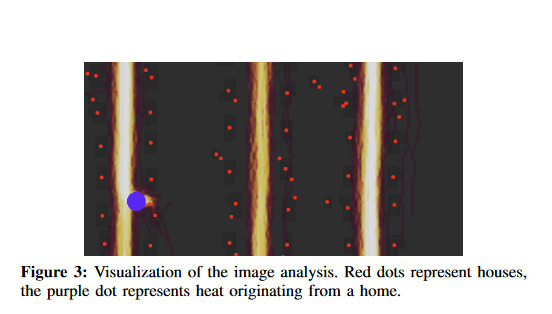
The image shows heatmap routes leading to users’ homes

Finally, they used Strava’s search feature to match the locations with users who listed a certain area as their home area. They were able to correctly identify 37.5% of the home addresses for the users they tested. This is not a very high percentage, and the chances of being ‘discovered’ are low if you live in a highly populated area or do not share much personal information on your Strava account. You can also set your account to private or opt out of the heatmap feature altogether.

This is not the first time Strava’s heatmap feature has raised privacy concerns. In 2018, it was reported that the feature helped to reveal locations of secret US military sites, as soldiers used the app to track their workouts. The new study reiterates the need for people to be aware of the potential risks of sharing their location (or other personal information) with apps, and to use available privacy settings if an app doesn’t enforce maximum privacy by default.

Bard gets red light in the EU: Google’s AI chatbot hits a privacy roadblock

Google’s AI-powered chatbot, Bard, may be available in 180 countries and territories across the globe. But none of them are in the EU. And it looks like EU residents will have to wait some more, after the Irish privacy watchdog put a brake on the planned launch of Bard in the EU this week, Politico reported.

The Irish Data Protection Commission objected to the launch, saying that Google had failed to provide enough details as to how Europeans’ rights to privacy would be protected when they use Bard. It’s unclear what exactly regulators want from Google, but it may be similar to what OpenAI had to do to ChatGPT, which is accessible in Europe without a VPN. Under regulatory pressure, OpenAI gave users the option to ask to delete their personal data and any references to them from the AI-generated output, and opt out of having their data used to train the AI.

Google may have to jump through hoops to get its chatbot approved in the EU, and the challenges it faces highlight the privacy problem that is common for generative AI —the lack of control that users have over how their personal data is handled. The EU regulators are setting an example of how to address this issue, which has already resulted in more privacy controls for users in OpenAI’s chatbot. Unfortunately, the rest of the world does not seem to be taking many cues, but we wish it would.

Open secret: US government admits buying Americans’ personal data

A newly declassified report has confirmed what many already knew or at least suspected: the US government buys sensitive private data on Americans, such as location data, from data brokers, sidestepping the laws that require it to get a warrant.

The report was published by the Office of the Director of National Intelligence and is dated January 2022, which suggests the practice is ongoing. The report admits that although the data for sale is supposed to be “anonymized,” it is “often possible” to re-identify individual users by combining it with other sources of data. The data typically comes from smartphones and other internet-connected devices, including cars, the report says. It warns of several privacy risks from this widespread surveillance, such as the possibility of data misuse that can lead to “blackmail, stalking, harassment, and public shaming.” It also notes that the ability to purchase such data from third parties gives more power to the government, that would otherwise never been able to “compel billions of people to carry location tracking devices on their persons at all times” and log all their activities. You can read the full 48-page report here.

The report sheds light on the practice that has been widely reported by the media, but never before acknowledged by the US government. Hopefully, it will spur legislative changes that are long overdue, such as passing a federal privacy law. But it also serves as a good reminder to be careful about which data we share with apps — denying unnecessary permissions, taking advantage of optional privacy settings, as well as using tools that block ads and trackers such as AdGuard can help to limit your digital footprint and minimize privacy risks.

Apple delights users with a slew of new privacy and security features

Apple has unveiled a range of new security and privacy features that will be available in iOS 17 and Mac later this year, and we’re pretty pumped about them.

Safari Private Browser feature is one of many that is getting an upgrade. Apple said that Privacy Browsing will now lock automatically when idle, allowing users to keep their tabs open without worrying about others snooping on their online activity while they’re away from the device. You can unlock it with a fingerprint or a password.
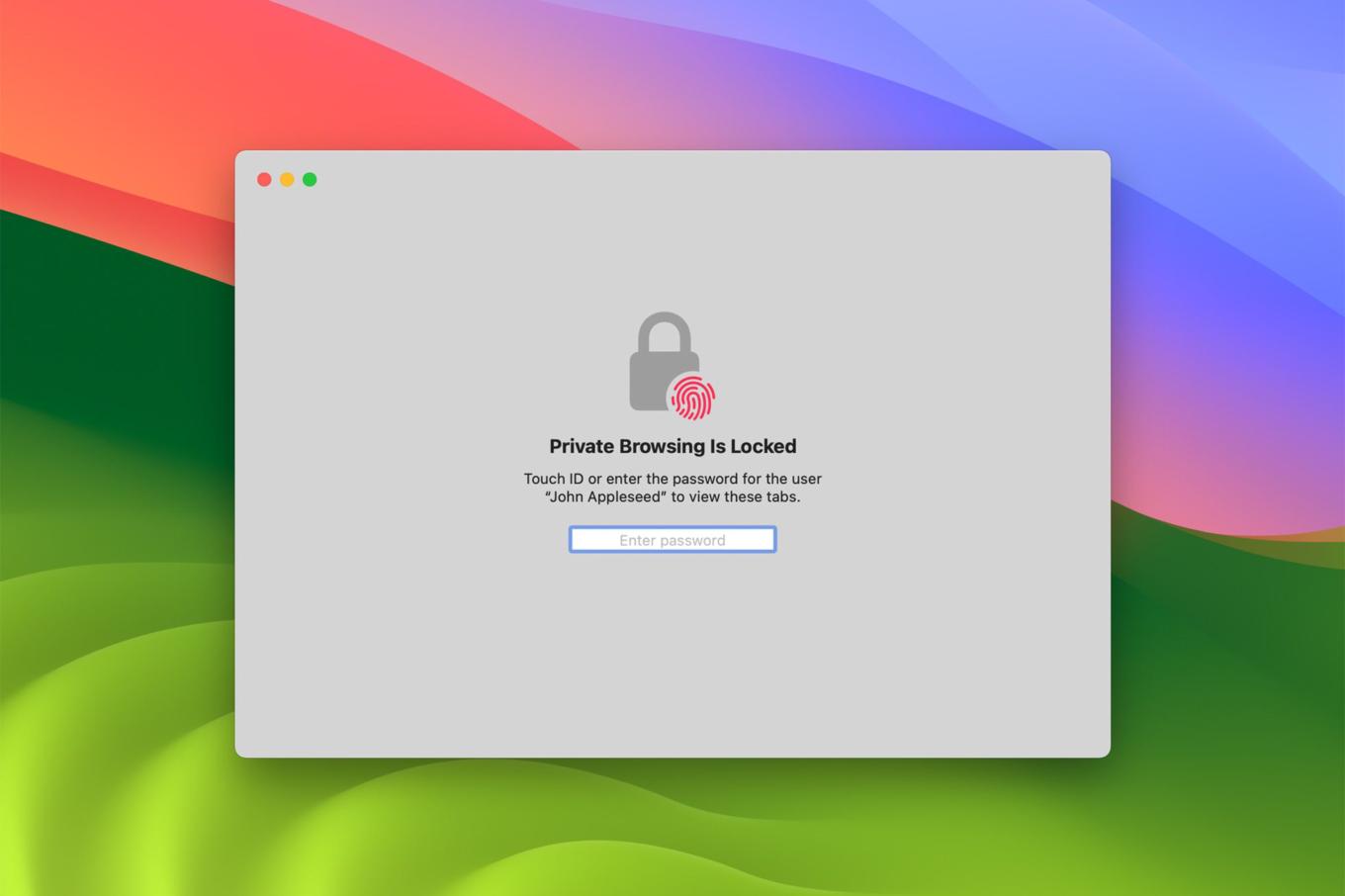
Safari Private Browser will lock automatically when not in use

Another feature is the “embedded Photos picker” that encourages users to only share specific photos from their library with apps while keeping the rest hidden. In an effort to fend off trackers, Apple said it would remove those extra letters and numbers that advertisers add to URLs to track users across the web, making link sharing in Messages and Mail more private. In addition to that, Apple also introduced new and upgraded old safety features designed to protect both adults and children from unwanted content, such as nude images or videos. For more information on Apple’s privacy and security tools, see their post.

Apple’s new features are a welcome addition to the company’s existing suite of privacy and security tools. It’s great to see Cupertino investing in the privacy and security of its users — putting its money where its mouth is, so to speak — and we hope it continues to do so.

EU Commision wants to take an ax to Google’s adtech empire

Google’s advertising empire might have to be broken after all, the European Commission said. On June 14, the European Commission announced it had launched formal antitrust proceedings against Google, to investigate whether it had abused its dominant position on both the ad buying and ad selling market.

Commission’s representative, Margrethe Vestager, said that Google’s influence has been “pervasive” and that so far the regulators see “no alternative” to Google divesting from some of its services to eliminate the conflict of interest. Google’s adtech business has been under the European competition watchdog’s scrutiny since 2021, but it seems the Commission is now sharpening its knives to cut it down to size. Google has naturally disagreed with the EC’s claims and vowed to respond “accordingly.”

The news shows that the European Commission is getting serious about taking Google to task over its massive influence on the online advertising industry. Google’s adtech business is the main source of revenue for the company, accounting for more than 80% of its total income. By controlling both the buy and sell sides of the market, Google has crafted a closed ecosystem that squeezes out competitors. That situation is unhealthy, and it would be more beneficial for the market, advertisers and users if there is more competition. So we hope the EC will complete its investigation in earnest, and if it finds that Google did violate antitrust laws, wouldn’t let it off scot-free.


Podobał Ci się ten post?
AdGuard VPN AdGuard DNS AdGuard Mail AdGuard Wallet
Ekran główny AdGuard dla Windows
Ekran ochrony AdGuard dla Windows, pokazujący funkcje ochrony i ustawienia
Ekran statystyki AdGuard dla Windows, pokazujący statystyki zablokowanych reklam i trackery
Ekran Zarządzanie aplikacjami w AdGuard dla Windows, pokazujący opcje zarządzania ochroną dla aplikacji zainstalowanych na urządzeniu
20 752 20752 recenzje
Doskonały!

AdGuard dla Windows: bloker reklam na PC

AdGuard dla systemu Windows to coś więcej niż bloker reklam. To wielofunkcyjne narzędzie, które blokuje reklamy, kontroluje dostęp do niebezpiecznych stron, przyspiesza ładowanie stron i chroni dzieci przed nieodpowiednimi treściami
Pobierając program, akceptujesz warunki Umowy licencyjnej
Microsoft Store
Pobierając program, akceptujesz warunki Umowy licencyjnej
AdGuard na Windows v8.0, 14-dniowa wersja próbna
Ekran główny AdGuard dla Mac
Ekran Trybu ukrytego w AdGuard dla Mac
20 752 20752 recenzje
Doskonały!

AdGuard: bloker reklam na Maca

AdGuard dla Mac to wyjątkowy bloker reklam zaprojektowany z myślą o macOS. Oprócz ochrony przed uciążliwymi reklamami w przeglądarkach i aplikacjach chroni Cię przed śledzeniem, phishingiem i oszustwami
Pobierając program, akceptujesz warunki Umowy licencyjnej
Przeczytaj więcej
AdGuard na Mac v2.19, 14-dniowa wersja próbna
Ekran główny AdGuard dla Android
Ekran Ochrona przed śledzeniem w AdGuard dla Android
Ekran Zarządzanie aplikacjami w AdGuard dla Android, pokazujący opcje zarządzania ochroną dla aplikacji zainstalowanych na urządzeniu
Ekran statystyki AdGuard dla Android, pokazujący statystyki zablokowanych reklam i trackery
Ekran główny prywatnej przeglądarki AdGuard dla Android
Kod QR, aby pobierz AdGuard dla Android
20 752 20752 recenzje
Doskonały!

AdGuard: bloker reklam na Androida

Blokuje reklamy i moduły śledzące we wszystkich przeglądarkach, grach i innych aplikacjach. Chroni Twoją prywatność i pozwala kontrolować, w jaki sposób aplikacje korzystają z Internetu. Instalowane za pomocą pliku APK
Pobierając program, akceptujesz warunki Umowy licencyjnej
Przeczytaj więcej
Skanuj, aby pobrać
Użyj dowolnego czytnika kodów QR dostępnego w Twoim urządzeniu
AdGuard na Android v4.14, 14-dniowa wersja próbna
Ekran główny AdGuard dla iOS
Ekran ochrony AdGuard dla iOS, pokazujący funkcje ochrony i ustawienia
Ekran statystyki AdGuard dla iOS, pokazujący statystyki zablokowanych reklam i trackery
Kod QR, aby pobierz AdGuard dla iOS
20 752 20752 recenzje
Doskonały!

AdGuard na iOS: bloker reklam poza Safari

Najlepszy bloker reklam na iOS dla iPhone’a i iPada. AdGuard usuwa wszelkiego rodzaju reklamy i elementy śledzące w Safari oraz chroni Twoją prywatność we wszystkich aplikacjach na poziomie DNS
Pobierając program, akceptujesz warunki Umowy licencyjnej
Przeczytaj więcej
Skanuj, aby pobrać
Użyj dowolnego czytnika kodów QR dostępnego w Twoim urządzeniu
AdGuard na iOS v4.5
Ekran główny AdGuard Content Blocker
Ekran Filtry w AdGuard Content Blocker
Ekran ustawienia w AdGuard Content Blocker
20 752 20752 recenzje
Doskonały!

Blokada treści AdGuard

AdGuard Content Blocker eliminuje wszelkiego rodzaju reklamy w przeglądarkach mobilnych, które obsługują technologię blokowania treści — a mianowicie Samsung Internet i Yandex Browser. Jego funkcje są ograniczone w porównaniu z AdGuard na Androida, ale jest darmowy, łatwy w instalacji i wydajny
Pobierając program, akceptujesz warunki Umowy licencyjnej
Przeczytaj więcej
Blokada treści AdGuard v2.8
Ekran główny AdGuard Browser Extension
Ekran Ochrona przed śledzeniem w AdGuard Browser Extension
20 752 20752 recenzje
Doskonały!

Rozszerzenie przeglądarki AdGuard

AdGuard to najszybsze i najlżejsze rozszerzenie blokowania reklam, które skutecznie blokuje wszystkie typy reklam na wszystkich stronach internetowych! Wybierz AdGuard dla swojej przeglądarki i uzyskaj szybkie i bezpieczne przeglądanie Internetu pozbawione reklam.
Instalacja
Pobierając program, akceptujesz warunki Umowy licencyjnej
Instalacja
Pobierając program, akceptujesz warunki Umowy licencyjnej
Instalacja
Pobierając program, akceptujesz warunki Umowy licencyjnej
Instalacja
Pobierając program, akceptujesz warunki Umowy licencyjnej
Instalacja
Pobierając program, akceptujesz warunki Umowy licencyjnej
Przeczytaj więcej
Instalacja
Pobierając program, akceptujesz warunki Umowy licencyjnej
Przeczytaj więcej
Rozszerzenie przeglądarki AdGuard v5.5
Ekran główny Asystenta przeglądarki
20 752 20752 recenzje
Doskonały!

Asystent AdGuard

Towarzyszące rozszerzenie przeglądarki dla aplikacji desktopowych AdGuard. Umożliwia blokowanie niestandardowych elementów na stronach internetowych, dodawanie stron internetowych do listy dozwolonych i wysyłanie raportów bezpośrednio z przeglądarki
Asystent AdGuard v1.4
20 752 20752 recenzje
Doskonały!

AdGuard Home

AdGuard Home to sieciowe rozwiązanie do blokowania reklam i modułów śledzących. Zainstaluj go raz na routerze, aby objąć nim wszystkie urządzenia w sieci domowej — nie jest wymagane żadne dodatkowe oprogramowanie klienckie. Jest to szczególnie ważne w przypadku różnych urządzeń IoT, które często stanowią zagrożenie dla Twojej prywatności

AdGuard Home v0.107
Ekran główny AdGuard Pro dla iOS
Ekran Ochrona w AdGuard Pro dla iOS, pokazujący funkcje i ustawienia ochrony
Ekran statystyki w AdGuard Pro dla iOS, pokazujący statystyki zablokowanych reklam i trackerów
20 752 20752 recenzje
Doskonały!

AdGuard Pro dla iOS

AdGuard Pro na iOS oferuje wszystkie zaawansowane funkcje blokowania reklam. Oferuje te same narzędzia, co płatna wersja AdGuard na iOS. Doskonale blokuje reklamy w Safari i pozwala dostosować ustawienia DNS, aby dostosować poziom ochrony. Blokuje reklamy w przeglądarkach i aplikacjach, chroni dzieci przed nieodpowiednimi treściami i dba o bezpieczeństwo danych osobowych.

Pobierając program, akceptujesz warunki Umowy licencyjnej
Przeczytaj więcej
AdGuard Pro dla iOS v4.5
Ekran główny AdGuard Mini dla Mac
Ekran ochrony Safari w AdGuard Mini dla Mac
Ekran tworzenia reguły w AdGuard Mini dla Mac
20 752 20752 recenzje
Doskonały!

AdGuard Mini dla Mac — bloker reklam Safari

AdGuard Mini dla komputerów Mac to potężny bloker reklam w Safari. Ta lekka aplikacja usuwa reklamy, blokuje moduły śledzące i przyspiesza ładowanie stron. Umożliwia przeglądanie internetu w Safari bez rozpraszania uwagi i chroni prywatność danych
Instalacja
Pobierając program, akceptujesz warunki Umowy licencyjnej
Przeczytaj więcej
AdGuard Mini dla Mac v2.3
Ekran główny AdGuard dla Android TV z włączoną ochroną
Ekran blokowanie reklama AdGuard dla Android TV, pokazujący jego funkcje i ustawienia
Ekran ustawienia AdGuard dla Android TV
Ekran Zarządzanie aplikacjami AdGuard dla Android TV, pokazujący aplikacje, w których reklamy i trackery są zablokowane
20 752 20752 recenzje
Doskonały!

AdGuard dla Android TV

AdGuard dla Android TV to jedyna aplikacja, która blokuje reklamy, chroni prywatność i działa jak zapora sieciowa dla Smart TV. Otrzymuj ostrzeżenia o zagrożeniach internetowych, używaj bezpiecznego DNS i korzystaj z szyfrowanego ruchu. Zrelaksuj się i zanurz się w swoich ulubionych programach z najwyższej klasy zabezpieczeniami bez reklam!
AdGuard dla Android TV v4.14, 14-dniowa wersja próbna
Maskotka AdGuard, Agnar, trzymający pingwina Linux
20 752 20752 recenzje
Doskonały!

AdGuard dla Linux

AdGuard for Linux to pierwszy na świecie systemowy bloker reklam dla systemu Linux. Blokuj reklamy i elementy śledzące na poziomie urządzenia, wybieraj spośród wstępnie zainstalowanych filtrów lub dodawaj własne — wszystko za pośrednictwem interfejsu wiersza poleceń
AdGuard dla Linux v1.4
20 752 20752 recenzje
Doskonały!

AdGuard Temp Mail

Darmowy generator tymczasowych adresów e-mail, który zapewnia anonimowość i chroni prywatność. Brak spamu w głównej skrzynce odbiorczej!
20 752 20752 recenzje
Doskonały!

AdGuard VPN

75 lokalizacji na świecie

Dostęp do wszelkich treści

Silne szyfrowanie

Polityka braku logów

Najszybsze połączenie

Wsparcie 24/7

Wypróbuj za darmo
Pobierając program, akceptujesz warunki Umowy licencyjnej
Przeczytaj więcej
20 752 20752 recenzje
Doskonały!

AdGuard DNS

AdGuard DNS to alternatywne rozwiązanie do blokowania reklam, ochrony prywatności i kontroli rodzicielskiej. Łatwy w konfiguracji i darmowy, zapewnia niezbędną minimalną ochronę przed reklamami, śledzeniem i phishingiem, bez względu na platformę i urządzenie, z którego korzystasz.
20 752 20752 recenzje
Doskonały!

AdGuard Mail

Chroń swoją tożsamość, unikaj spamu i zabezpiecz swoją skrzynkę odbiorczą dzięki naszym aliasom i tymczasowym adresom e-mail. Skorzystaj z naszej bezpłatnej usługi przekazywania e-maili oraz aplikacji na wszystkie systemy operacyjne
20 752 20752 recenzje
Doskonały!

AdGuard Wallet

Bezpieczny i prywatny portfel kryptowalutowy, który daje Ci pełną kontrolę nad Twoimi aktywami. Zarządzaj wieloma portfelami i odkrywaj tysiące kryptowalut, aby je przechowywać, wysyłać i wymieniać
Rozpoczęto pobieranie AdGuard Kliknij przycisk wskazany strzałką, aby rozpocząć instalację Wybierz „Otwórz” i kliknij „OK”. Poczekaj aż plik zostanie pobrany. W otwartym oknie, przeciągnij ikonę AdGuard do folderu „Aplikacje”. Dziękujemy za wybrania AdGuard! Wybierz „Otrwórz” i kliknij „OK”. Poczekaj aż plik zostanie pobrany. W otwartym kliknij „Instaluj”. Dziękujemy za wybrania AdGuard!
Zainstaluj również AdGuard dla urządzeń mobilnych