Google stays deaf to mounting criticism over its attempt to marry tracking and privacy

It’s no secret that Google for years has been trying to sunset the third-party cookie, the bedrock of retargeting ads and once the online tracking essential. While many other browsers are already blocking third-party cookies, seeing them as a privacy threat, Google still allows them in Chrome and will continue to do so until at least 2024. The reason Chrome has lagged behind its competitors is that Google hoped to create an alternative to the third-party cookie that would satisfy both advertisers and privacy-conscious users. Its proposed replacement, the Topics API, is promising to do just that. But sadly, and predictably, it has failed in its main goal — making interest-based advertising more private. In our in-depth article on the subject, we explained why in detail. And it’s not that our bar is set too high. Various privacy advocates, browser vendors and other industry players have poked holes in Google’s approach as well.

Now, Google’s proposed API has been dealt another blow. After reviewing the API, the W3C Technical Architecture Group (TAG), a special working group within the World Wide Web Consortium, concluded that Topics fell short of achieving its ambition goal: that is to protect people’s privacy while also protecting advertisers from losing revenue. But what makes the Topics API, the cornerstone of Google’s privacy initiative, so bad?

Ad-friendly and privacy-friendly — too good to be true?

The core idea of Topics is to allow advertisers to keep targeting users with interest-based ads, while protecting the latter from unwanted tracking and profiling. As it turns out, you probably still can’t have your cake and eat it too.

According to TAG, the new API does not change the “status quo of inappropriate surveillance on the web,” because it still allows the browser to share information about a user’s browsing history with websites. Moreover, it does not give the user “fine-grained control” over what those sites can learn about them. The TAG wants Google to stop Topics API in its tracks. “We do not want to see it proceed further,” the group said.

With that, the TAG joins an extensive list of industry players that oppose Topics, Google’s second attempt to reinvent ad targeting after equally unpopular FLOC. But before we go any further, let us remind you how we got to this point.

A prolonged farewell

Once the backbone of cross-site tracking, the third-party cookie has been on its deathbed for quite some time. Unlike first-party cookies, which are small chunks of data planted by the websites you visit into your browser, third-party cookies are planted by ad and tracking domains present on those sites. Basically, what they do is they enable advertisers to track you around the web. Privacy-focused browsers like Brave, Safari, and Firefox have been blocking third-party cookies by default for years. With the growing list of browsers ditching third-party cookies, Google announced back in January 2020 that it would phase them out in Chrome “within two years.” The deadline was then extended to the end of 2023, and then again pushed back to the end of 2024.

The reason for constant delays was that Google did not want to simply block third-party tracking, claiming that doing so would “undermine the business model of many ad-supported websites” and encourage the use of covert tracking techniques, such as device fingerprinting. Instead, Google wanted to find a replacement for cookies that would suit both advertisers and privacy-minded users. In other words, Google wanted tracking to be and sound like a good thing (which it is not).

A bad beginning…

Its first attempt at this was FLoC, or Federated Learning of Cohorts. Google billed FLoC as a technology that would allow sites to learn about user behavior in a privacy-preserving way. We won’t go into too many details about how a now-defunct technology was supposed to work. In a nutshell, a browser with FLoC enabled would collect information about user behavior so that it could then group different users into cohorts (hence the name) based on their shared interests. The browser would then share a cohort ID with websites and advertisers.

The proposal did not go down well with privacy advocates and browsers. The Electronic Frontier Foundation argued that it would create new problems, like facilitating fingerprinting, and would perpetuate discrimination based on browsing history. All major browsers, except Google Chrome itself, refused to adopt it. Shortly after Google began testing FLoC in Chrome in March 2021, we at AdGuard began blocking it as well.

In January 2022 Google officially put the last nail in FloC’s coffin, and proposed a replacement — the Topics API.

…makes a bad ending

The Topics API promised to right the wrongs of FloC, that is to marry tracking and privacy once and for all. But in this case, as in the previous one, the two opposites couldn’t possibly be reconciled, and so they weren’t.

The new API could still be seen as an improvement on FloC. In short, it works like this: each week, the five most popular topics are identified on the user’s device based on that user’s online behavior, and a random sixth topic is added. Instead of a cohort ID, a browser with Topics enabled shares the three topics a user is interested in (one from each of the past three weeks) with sites and advertisers. To prevent sites from identifying the user, Google proposed that different sites receive different topics. Google also promised to exclude sensitive categories from topics.

The proposal may sound good on paper, but as we’ve shown in our deep dive into the Topics API and Google’s Privacy Sandbox as a whole, it won’t stop big corporations that leverage different services from identifying users. If anything, it would only entrench Google’s existing advertising monopoly.

Within the last year, a lot of industry players came out against Google’s proposal, among them Firefox’s maker, Mozilla, and Apple’s WebKit.

Mounting criticism

Commenting on the proposed third-party cookie replacement last month, Mozilla’s Martin Thomson wrote that it was “more likely to reduce the usefulness of the information for advertisers than to provide meaningful privacy protections.” Thomson concluded that the new API would “create a strong bias” towards large industry players, and argued that the privacy protections were “not sufficient to give users confidence that they cannot be re-identified and tracked.”

WebKit, the browser engine used in Safari, also opposes the API. WebKit noted that the Topics API does not solve the problem of cross-site data sharing and would benefit established players such as ad trackers. WebKit also argued that the Topics API would not prevent targeting based on sensitive interests, as these depend on culture, region, and age and cannot be defined once and for all.

Another browser, the privacy-oriented Brave, pulled no punches in its criticism of the Topics API, calling it an attempt by Google to “rebrand FloC” without addressing the underlying privacy issues. “Both systems are designed to share information about you with advertisers and organizations that you don’t know, and that are outright hostile to Web users’ privacy, without active permission or consent.”

Google refuses to budge

The overwhelmingly negative reaction to FLoC once prompted Google to scrap it and look for alternatives. But this time, despite the threat of limited browser adoption, Google has signaled that it has no intention of backing down. In its response to TAG, Google said it would proceed implementing the Topics API as planned.

While we appreciate the input of TAG, we disagree with their characterization that Topics maintains the status quo. Google is committed to Topics, as it is a significant privacy improvement over third-party cookies, and we’re moving forward

What we can take away from this

While Google’s response to the growing pile of criticism directed at its Topics API is not surprising, it is nonetheless disappointing. The tech giant seems hell-bent on implementing the technology despite the lack of industry approval. This is yet another example of the dominant position that Google has carved out for itself in the market, which allows it to act without regard to other players.

Fortunately for AdGuard users, Google’s new tracking gimmick won’t be that big a deal, as we’ve already blocked the Topics API.


Podobał Ci się ten post?
AdGuard VPN AdGuard DNS AdGuard Mail AdGuard Wallet
Ekran główny AdGuard dla Windows
Ekran ochrony AdGuard dla Windows, pokazujący funkcje ochrony i ustawienia
Ekran statystyki AdGuard dla Windows, pokazujący statystyki zablokowanych reklam i trackery
Ekran Zarządzanie aplikacjami w AdGuard dla Windows, pokazujący opcje zarządzania ochroną dla aplikacji zainstalowanych na urządzeniu
20 753 20753 recenzje
Doskonały!

AdGuard dla Windows: bloker reklam na PC

AdGuard dla systemu Windows to coś więcej niż bloker reklam. To wielofunkcyjne narzędzie, które blokuje reklamy, kontroluje dostęp do niebezpiecznych stron, przyspiesza ładowanie stron i chroni dzieci przed nieodpowiednimi treściami
Pobierając program, akceptujesz warunki Umowy licencyjnej
Microsoft Store
Pobierając program, akceptujesz warunki Umowy licencyjnej
AdGuard na Windows v8.0, 14-dniowa wersja próbna
Ekran główny AdGuard dla Mac
Ekran Trybu ukrytego w AdGuard dla Mac
20 753 20753 recenzje
Doskonały!

AdGuard: bloker reklam na Maca

AdGuard dla Mac to wyjątkowy bloker reklam zaprojektowany z myślą o macOS. Oprócz ochrony przed uciążliwymi reklamami w przeglądarkach i aplikacjach chroni Cię przed śledzeniem, phishingiem i oszustwami
Pobierając program, akceptujesz warunki Umowy licencyjnej
Przeczytaj więcej
AdGuard na Mac v2.19, 14-dniowa wersja próbna
Ekran główny AdGuard dla Android
Ekran Ochrona przed śledzeniem w AdGuard dla Android
Ekran Zarządzanie aplikacjami w AdGuard dla Android, pokazujący opcje zarządzania ochroną dla aplikacji zainstalowanych na urządzeniu
Ekran statystyki AdGuard dla Android, pokazujący statystyki zablokowanych reklam i trackery
Ekran główny prywatnej przeglądarki AdGuard dla Android
Kod QR, aby pobierz AdGuard dla Android
20 753 20753 recenzje
Doskonały!

AdGuard: bloker reklam na Androida

Blokuje reklamy i moduły śledzące we wszystkich przeglądarkach, grach i innych aplikacjach. Chroni Twoją prywatność i pozwala kontrolować, w jaki sposób aplikacje korzystają z Internetu. Instalowane za pomocą pliku APK
Pobierając program, akceptujesz warunki Umowy licencyjnej
Przeczytaj więcej
Skanuj, aby pobrać
Użyj dowolnego czytnika kodów QR dostępnego w Twoim urządzeniu
AdGuard na Android v4.14, 14-dniowa wersja próbna
Ekran główny AdGuard dla iOS
Ekran ochrony AdGuard dla iOS, pokazujący funkcje ochrony i ustawienia
Ekran statystyki AdGuard dla iOS, pokazujący statystyki zablokowanych reklam i trackery
Kod QR, aby pobierz AdGuard dla iOS
20 753 20753 recenzje
Doskonały!

AdGuard na iOS: bloker reklam poza Safari

Najlepszy bloker reklam na iOS dla iPhone’a i iPada. AdGuard usuwa wszelkiego rodzaju reklamy i elementy śledzące w Safari oraz chroni Twoją prywatność we wszystkich aplikacjach na poziomie DNS
Pobierając program, akceptujesz warunki Umowy licencyjnej
Przeczytaj więcej
Skanuj, aby pobrać
Użyj dowolnego czytnika kodów QR dostępnego w Twoim urządzeniu
AdGuard na iOS v4.5
Ekran główny AdGuard Content Blocker
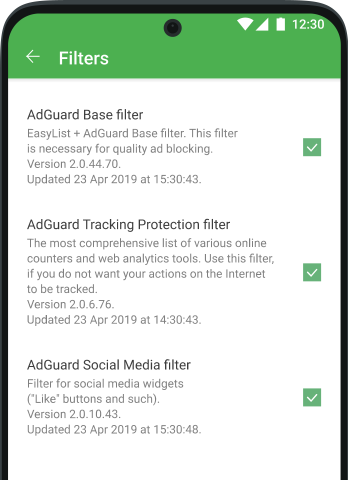
Ekran Filtry w AdGuard Content Blocker
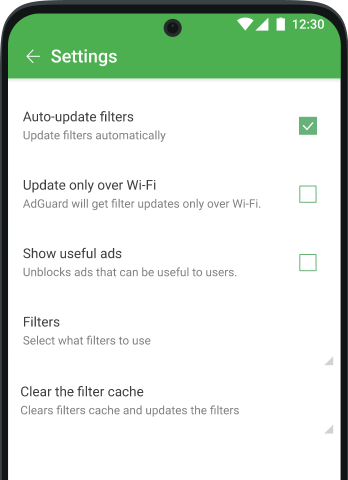
Ekran ustawienia w AdGuard Content Blocker
20 753 20753 recenzje
Doskonały!

Blokada treści AdGuard

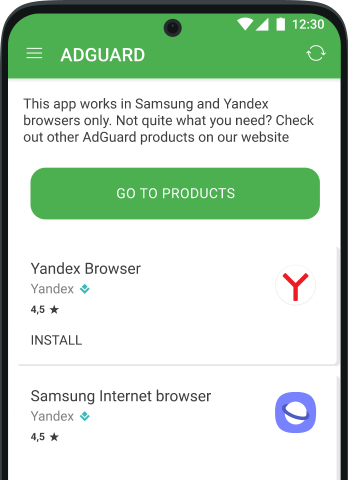
AdGuard Content Blocker eliminuje wszelkiego rodzaju reklamy w przeglądarkach mobilnych, które obsługują technologię blokowania treści — a mianowicie Samsung Internet i Yandex Browser. Jego funkcje są ograniczone w porównaniu z AdGuard na Androida, ale jest darmowy, łatwy w instalacji i wydajny
Pobierając program, akceptujesz warunki Umowy licencyjnej
Przeczytaj więcej
Blokada treści AdGuard v2.8
Ekran główny AdGuard Browser Extension
Ekran Ochrona przed śledzeniem w AdGuard Browser Extension
20 753 20753 recenzje
Doskonały!

Rozszerzenie przeglądarki AdGuard

AdGuard to najszybsze i najlżejsze rozszerzenie blokowania reklam, które skutecznie blokuje wszystkie typy reklam na wszystkich stronach internetowych! Wybierz AdGuard dla swojej przeglądarki i uzyskaj szybkie i bezpieczne przeglądanie Internetu pozbawione reklam.
Instalacja
Pobierając program, akceptujesz warunki Umowy licencyjnej
Instalacja
Pobierając program, akceptujesz warunki Umowy licencyjnej
Instalacja
Pobierając program, akceptujesz warunki Umowy licencyjnej
Instalacja
Pobierając program, akceptujesz warunki Umowy licencyjnej
Instalacja
Pobierając program, akceptujesz warunki Umowy licencyjnej
Przeczytaj więcej
Instalacja
Pobierając program, akceptujesz warunki Umowy licencyjnej
Przeczytaj więcej
Rozszerzenie przeglądarki AdGuard v5.5
Ekran główny Asystenta przeglądarki
20 753 20753 recenzje
Doskonały!

Asystent AdGuard

Towarzyszące rozszerzenie przeglądarki dla aplikacji desktopowych AdGuard. Umożliwia blokowanie niestandardowych elementów na stronach internetowych, dodawanie stron internetowych do listy dozwolonych i wysyłanie raportów bezpośrednio z przeglądarki
Asystent AdGuard v1.4
20 753 20753 recenzje
Doskonały!

AdGuard Home

AdGuard Home to sieciowe rozwiązanie do blokowania reklam i modułów śledzących. Zainstaluj go raz na routerze, aby objąć nim wszystkie urządzenia w sieci domowej — nie jest wymagane żadne dodatkowe oprogramowanie klienckie. Jest to szczególnie ważne w przypadku różnych urządzeń IoT, które często stanowią zagrożenie dla Twojej prywatności
AdGuard Home v0.107
Ekran główny AdGuard Pro dla iOS
Ekran Ochrona w AdGuard Pro dla iOS, pokazujący funkcje i ustawienia ochrony
Ekran statystyki w AdGuard Pro dla iOS, pokazujący statystyki zablokowanych reklam i trackerów
20 753 20753 recenzje
Doskonały!

AdGuard Pro dla iOS

AdGuard Pro na iOS oferuje wszystkie zaawansowane funkcje blokowania reklam. Oferuje te same narzędzia, co płatna wersja AdGuard na iOS. Doskonale blokuje reklamy w Safari i pozwala dostosować ustawienia DNS, aby dostosować poziom ochrony. Blokuje reklamy w przeglądarkach i aplikacjach, chroni dzieci przed nieodpowiednimi treściami i dba o bezpieczeństwo danych osobowych.
Pobierając program, akceptujesz warunki Umowy licencyjnej
Przeczytaj więcej
AdGuard Pro dla iOS v4.5
Ekran główny AdGuard Mini dla Mac
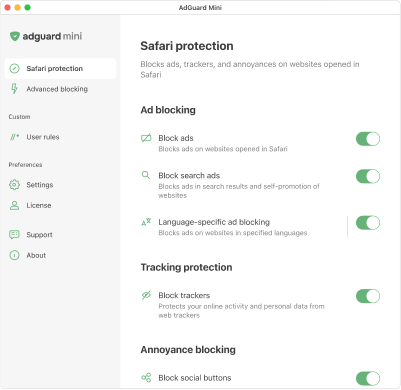
Ekran ochrony Safari w AdGuard Mini dla Mac
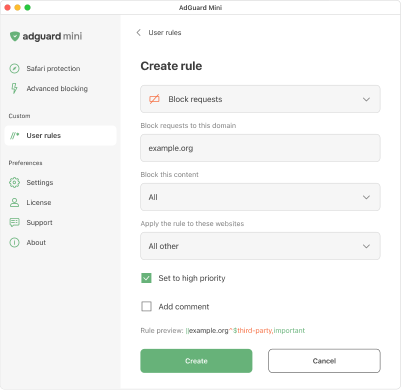
Ekran tworzenia reguły w AdGuard Mini dla Mac
20 753 20753 recenzje
Doskonały!

AdGuard Mini dla Mac — bloker reklam Safari

AdGuard Mini dla komputerów Mac to potężny bloker reklam w Safari. Ta lekka aplikacja usuwa reklamy, blokuje moduły śledzące i przyspiesza ładowanie stron. Umożliwia przeglądanie internetu w Safari bez rozpraszania uwagi i chroni prywatność danych
Instalacja
Pobierając program, akceptujesz warunki Umowy licencyjnej
Przeczytaj więcej
AdGuard Mini dla Mac v2.3
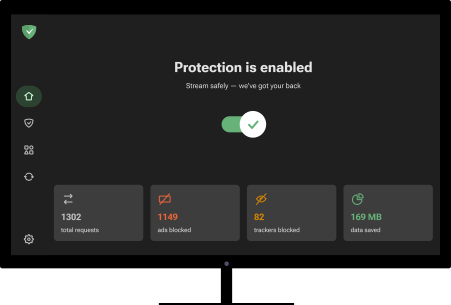
Ekran główny AdGuard dla Android TV z włączoną ochroną
Ekran blokowanie reklama AdGuard dla Android TV, pokazujący jego funkcje i ustawienia
Ekran ustawienia AdGuard dla Android TV
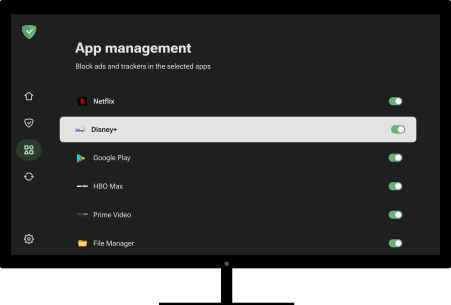
Ekran Zarządzanie aplikacjami AdGuard dla Android TV, pokazujący aplikacje, w których reklamy i trackery są zablokowane
20 753 20753 recenzje
Doskonały!

AdGuard dla Android TV

AdGuard dla Android TV to jedyna aplikacja, która blokuje reklamy, chroni prywatność i działa jak zapora sieciowa dla Smart TV. Otrzymuj ostrzeżenia o zagrożeniach internetowych, używaj bezpiecznego DNS i korzystaj z szyfrowanego ruchu. Zrelaksuj się i zanurz się w swoich ulubionych programach z najwyższej klasy zabezpieczeniami bez reklam!
AdGuard dla Android TV v4.14, 14-dniowa wersja próbna
Maskotka AdGuard, Agnar, trzymający pingwina Linux
20 753 20753 recenzje
Doskonały!

AdGuard dla Linux

AdGuard for Linux to pierwszy na świecie systemowy bloker reklam dla systemu Linux. Blokuj reklamy i elementy śledzące na poziomie urządzenia, wybieraj spośród wstępnie zainstalowanych filtrów lub dodawaj własne — wszystko za pośrednictwem interfejsu wiersza poleceń
AdGuard dla Linux v1.4
20 753 20753 recenzje
Doskonały!

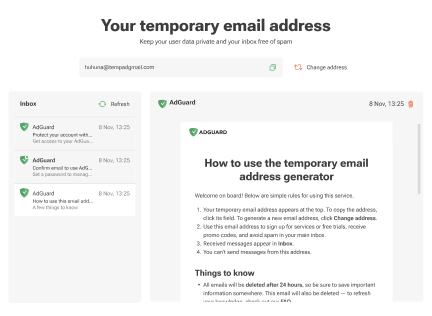
AdGuard Temp Mail

Darmowy generator tymczasowych adresów e-mail, który zapewnia anonimowość i chroni prywatność. Brak spamu w głównej skrzynce odbiorczej!
20 753 20753 recenzje
Doskonały!

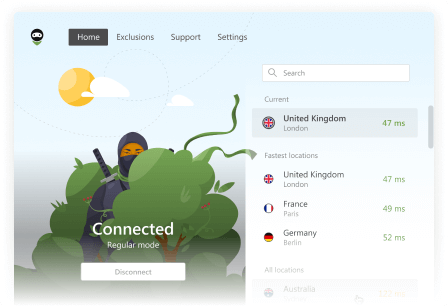
AdGuard VPN

75 lokalizacji na świecie

Dostęp do wszelkich treści

Silne szyfrowanie

Polityka braku logów

Najszybsze połączenie

Wsparcie 24/7

Wypróbuj za darmo
Pobierając program, akceptujesz warunki Umowy licencyjnej
Przeczytaj więcej
20 753 20753 recenzje
Doskonały!

AdGuard DNS

AdGuard DNS to alternatywne rozwiązanie do blokowania reklam, ochrony prywatności i kontroli rodzicielskiej. Łatwy w konfiguracji i darmowy, zapewnia niezbędną minimalną ochronę przed reklamami, śledzeniem i phishingiem, bez względu na platformę i urządzenie, z którego korzystasz.
20 753 20753 recenzje
Doskonały!

AdGuard Mail

Chroń swoją tożsamość, unikaj spamu i zabezpiecz swoją skrzynkę odbiorczą dzięki naszym aliasom i tymczasowym adresom e-mail. Skorzystaj z naszej bezpłatnej usługi przekazywania e-maili oraz aplikacji na wszystkie systemy operacyjne
20 753 20753 recenzje
Doskonały!

AdGuard Wallet

Bezpieczny i prywatny portfel kryptowalutowy, który daje Ci pełną kontrolę nad Twoimi aktywami. Zarządzaj wieloma portfelami i odkrywaj tysiące kryptowalut, aby je przechowywać, wysyłać i wymieniać
Rozpoczęto pobieranie AdGuard Kliknij przycisk wskazany strzałką, aby rozpocząć instalację Wybierz „Otwórz” i kliknij „OK”. Poczekaj aż plik zostanie pobrany. W otwartym oknie, przeciągnij ikonę AdGuard do folderu „Aplikacje”. Dziękujemy za wybrania AdGuard! Wybierz „Otrwórz” i kliknij „OK”. Poczekaj aż plik zostanie pobrany. W otwartym kliknij „Instaluj”. Dziękujemy za wybrania AdGuard!
Zainstaluj również AdGuard dla urządzeń mobilnych