AdGuard’s digest: Google’s data trade, E2E encryption victory, rumors of ads in WhatsApp, and X’s risky verification

In this edition of AdGuard’s digest: Google faces a privacy investigation in the Netherlands, Adobe is paying creators for having used their images to train AI, the UK delays killing E2E encryption, WhatsApp may be toying with an idea to introduce ads, X (formerly Twitter) wants subscribers to upload government IDs for verification.

Google’s ‘ad auctions’ face a privacy challenge in the Netherlands

Google has been accused of intrusive online surveillance by more than 82,000 people who have signed up to a class action lawsuit against the tech giant in the Netherlands. The plaintiffs argue that Google scoops up data about their online behavior and location with little transparency and without their explicit permission — all to then sell it to the highest bidder. The lawsuit cites previous research into Google that has revealed that so-called “ad auctions,” in which the internet activity and locations of EU users are traded, take place “on average almost 380 times a day.”

Unlike fellow tech giant Meta, Google has escaped relatively unscathed from the claws of EU regulators. Last year, the EU’s top privacy watchdog was even sued by activists for failing to investigate “the largest data breach ever,” as they call Google’s ad auctions that allow it to trade people’s data in real time.

Hopefully there will be more interest in the matter from the Dutch court where the case has been filed. Google has been trying to rebrand itself as a champion of privacy, and its plan to phase out tracking cookies is supposed to become the icing on that cake. However, cookies’ successor — Topics — is just as bad, as we and others like Apple and Mozilla have repeatedly pointed out. By introducing Topics in Chrome anyway, Google has essentially embedded its user-tracking platform into the browser itself. Learn how to opt out in our article.

Adobe starts paying out stock contributors for helping train AI

At the time when Google claims it has the right to scrape everything you post online and use it for its AI training, Adobe is taking a different approach. To train Firefly, its generative AI model, the company only uses content that it has rights to through its stock image platform Adobe Stock or that is in the public domain. But not only that. Adobe has now started to make good on its promise to compensate Adobe Stock creators who may lose out from the widespread adoption of AI.

The announcement coincided with Firefly’s official release — the feature had been in beta since March, and was used to generate about 2 billion images in that time. The bonus will be calculated on an individual basis and depend on the number and popularity of images used for AI training during a 12-month period from June 2022 to June 2023. Adobe’s announcement says that “subsequent bonus” will be based on new approved images and licenses they generated, which implies that creators would be compensated for specific images only once, even if they continue to generate revenue for Adobe through Firefly.

This approach may not seem very generous, as Adobe notes that the payment is subject to its discretion and “is not guaranteed.” However, it is better than nothing, and it may pave the way for more companies to follow suit.

UK backs down on encryption-breaking plan, but too early to celebrate

We have previously written about the UK government’s plan to compel service providers, including messengers, to scan encrypted chats for child porn. The plan, embodied by the UK’s Online Safety Bill, drew pushback from Signal, WhatsApp, and Apple, who all threatened to withdraw from the country if it went through. So, now the UK government says that it won’t use the powers in the bill to force them to scan messages for the signs of child sexual abuse material (CSAM), acknowledging that there is no technology right now that would enable them to do so without undermining privacy and end-to-end encryption.

While some industry players, notably, Signal’s Meredith Whittaker, called the UK government’s decision “a victory” for end-to-end encrypted messengers we are not out of the woods yet. Although the British government promised not to force companies to use unproven technology to snoop on users, it may try to enforce the so-called “spy clause” in the future if better and more secure (in the government’s eyes) technology emerges. If anything, this backdown by the UK government provides a reprieve for users and providers alike, but it may be short-lived.

Despite the fact that the “spy clause” has not been removed from the law and the UK government has given no guarantees about its future uses, this case shows that pressure, when applied by many actors, really does work. Had Signal, Element, Session, Threema, Viber, WhatsApp, and Apple not formed a united front, there would have been little chance of the government backtracking.

WhatsApp denies it will have ads. False alarm or no smoke without fire?

In a bombshell, the Financial Times has reported that WhatsApp is considering inserting ads into lists of conversations with contacts in a bid to increase its revenue. The FT reported that different teams within the Meta-owned messenger were discussing whether to show ads for the first time in WhatsApp’s history, and that no final decision was made.

The story immediately got a lot of traction, and hours later a rebuttal from WhatsApp head Will Cathcart followed. “This @FT story is false. We aren’t doing this,” Cathcart wrote on X. Still, the FT stood by their story, claiming that before it was published they had reached out to WhatsApp, and they had not denied such conversations could have taken place. Citing sources within WhatsApp, the FT then reported that another option that was being discussed is to introduce a paid ad-free version of WhatsApp.

Since we’re not privy to the internal WhatsApp conversations, it’s not clear whether the report by the FT was a false alarm, or whether there’s something more to it. But we wouldn’t be surprised if WhatsApp was really mulling over introducing ads, because it would not be its first time. Before, WhatsApp had already toyed with an idea to sell ads in WhatsApp’s ‘Status’ feature, but ultimately scrapped this plan in 2020 after it caused a lot of controversy. One thing is clear: if WhatsApp ever decides to do it, it has the entire Meta’s ad-targeting machine to rely on, and that would spell doom for privacy.

X unveils verification system based on govt. ID, and it creeps users out

X, formerly Twitter, has begun offering its paid subscribers a new way of verification. Now, they can upload their government-issued IDs along with their selfie, and get an “ID verified” label on their profile along with “prioritized support.”
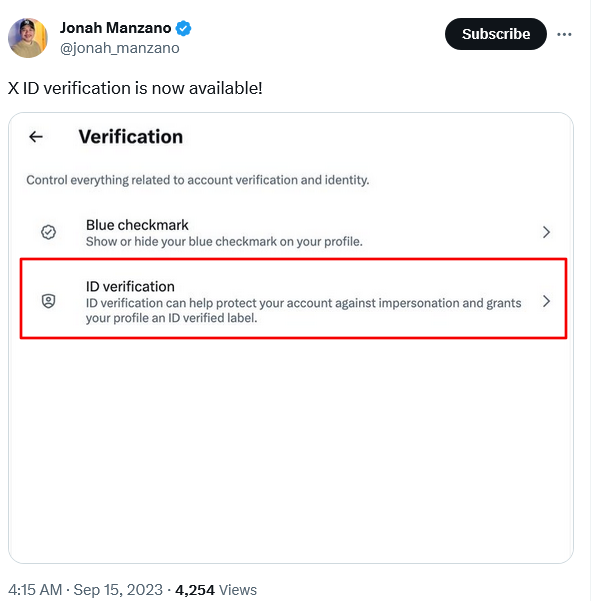
Twitter has presented a new verification method

While uploading a photo of your ID to the platform that has not been exactly truthful about what it uses your data for in the past is already risky, what adds fuel to the fire is that the third-party contractor X teamed up with for that purpose is the face-recognition and ID intelligence firm Au10tix. The Israel-based company is supposed to retain the information it obtains from users for verification purposes for 30 days.

Users have doubts about the safety of the new feature

Regardless of the firm’s origin, the mere fact that users are nudged to share their sensitive personal data such as government ID with a third party, may expose them to identity theft and fraud, if it is leaked or misused by Au10tix or X. What’s more, it could be exploited by X or others to track or profile users based on their real identity, location, age and other data derived from their IDs. And while these fears may now seem overblown, they are not that unfounded, if we remember the time Twitter used users’ phone numbers and emails for ad targeting while claiming it was collecting them for security purposes only.


Podobał Ci się ten post?
AdGuard VPN AdGuard DNS AdGuard Mail AdGuard Wallet
Ekran główny AdGuard dla Windows
Ekran ochrony AdGuard dla Windows, pokazujący funkcje ochrony i ustawienia
Ekran statystyki AdGuard dla Windows, pokazujący statystyki zablokowanych reklam i trackery
Ekran Zarządzanie aplikacjami w AdGuard dla Windows, pokazujący opcje zarządzania ochroną dla aplikacji zainstalowanych na urządzeniu
20 752 20752 recenzje
Doskonały!

AdGuard dla Windows: bloker reklam na PC

AdGuard dla systemu Windows to coś więcej niż bloker reklam. To wielofunkcyjne narzędzie, które blokuje reklamy, kontroluje dostęp do niebezpiecznych stron, przyspiesza ładowanie stron i chroni dzieci przed nieodpowiednimi treściami
Pobierając program, akceptujesz warunki Umowy licencyjnej
Microsoft Store
Pobierając program, akceptujesz warunki Umowy licencyjnej
AdGuard na Windows v8.0, 14-dniowa wersja próbna
Ekran główny AdGuard dla Mac
Ekran Trybu ukrytego w AdGuard dla Mac
20 752 20752 recenzje
Doskonały!

AdGuard: bloker reklam na Maca

AdGuard dla Mac to wyjątkowy bloker reklam zaprojektowany z myślą o macOS. Oprócz ochrony przed uciążliwymi reklamami w przeglądarkach i aplikacjach chroni Cię przed śledzeniem, phishingiem i oszustwami
Pobierając program, akceptujesz warunki Umowy licencyjnej
Przeczytaj więcej
AdGuard na Mac v2.19, 14-dniowa wersja próbna
Ekran główny AdGuard dla Android
Ekran Ochrona przed śledzeniem w AdGuard dla Android
Ekran Zarządzanie aplikacjami w AdGuard dla Android, pokazujący opcje zarządzania ochroną dla aplikacji zainstalowanych na urządzeniu
Ekran statystyki AdGuard dla Android, pokazujący statystyki zablokowanych reklam i trackery
Ekran główny prywatnej przeglądarki AdGuard dla Android
Kod QR, aby pobierz AdGuard dla Android
20 752 20752 recenzje
Doskonały!

AdGuard: bloker reklam na Androida

Blokuje reklamy i moduły śledzące we wszystkich przeglądarkach, grach i innych aplikacjach. Chroni Twoją prywatność i pozwala kontrolować, w jaki sposób aplikacje korzystają z Internetu. Instalowane za pomocą pliku APK
Pobierając program, akceptujesz warunki Umowy licencyjnej
Przeczytaj więcej
Skanuj, aby pobrać
Użyj dowolnego czytnika kodów QR dostępnego w Twoim urządzeniu
AdGuard na Android v4.14, 14-dniowa wersja próbna
Ekran główny AdGuard dla iOS
Ekran ochrony AdGuard dla iOS, pokazujący funkcje ochrony i ustawienia
Ekran statystyki AdGuard dla iOS, pokazujący statystyki zablokowanych reklam i trackery
Kod QR, aby pobierz AdGuard dla iOS
20 752 20752 recenzje
Doskonały!

AdGuard na iOS: bloker reklam poza Safari

Najlepszy bloker reklam na iOS dla iPhone’a i iPada. AdGuard usuwa wszelkiego rodzaju reklamy i elementy śledzące w Safari oraz chroni Twoją prywatność we wszystkich aplikacjach na poziomie DNS
Pobierając program, akceptujesz warunki Umowy licencyjnej
Przeczytaj więcej
Skanuj, aby pobrać
Użyj dowolnego czytnika kodów QR dostępnego w Twoim urządzeniu
AdGuard na iOS v4.5
Ekran główny AdGuard Content Blocker
Ekran Filtry w AdGuard Content Blocker
Ekran ustawienia w AdGuard Content Blocker
20 752 20752 recenzje
Doskonały!

Blokada treści AdGuard

AdGuard Content Blocker eliminuje wszelkiego rodzaju reklamy w przeglądarkach mobilnych, które obsługują technologię blokowania treści — a mianowicie Samsung Internet i Yandex Browser. Jego funkcje są ograniczone w porównaniu z AdGuard na Androida, ale jest darmowy, łatwy w instalacji i wydajny
Pobierając program, akceptujesz warunki Umowy licencyjnej
Przeczytaj więcej
Blokada treści AdGuard v2.8
Ekran główny AdGuard Browser Extension
Ekran Ochrona przed śledzeniem w AdGuard Browser Extension
20 752 20752 recenzje
Doskonały!

Rozszerzenie przeglądarki AdGuard

AdGuard to najszybsze i najlżejsze rozszerzenie blokowania reklam, które skutecznie blokuje wszystkie typy reklam na wszystkich stronach internetowych! Wybierz AdGuard dla swojej przeglądarki i uzyskaj szybkie i bezpieczne przeglądanie Internetu pozbawione reklam.
Instalacja
Pobierając program, akceptujesz warunki Umowy licencyjnej
Instalacja
Pobierając program, akceptujesz warunki Umowy licencyjnej
Instalacja
Pobierając program, akceptujesz warunki Umowy licencyjnej
Instalacja
Pobierając program, akceptujesz warunki Umowy licencyjnej
Instalacja
Pobierając program, akceptujesz warunki Umowy licencyjnej
Przeczytaj więcej
Instalacja
Pobierając program, akceptujesz warunki Umowy licencyjnej
Przeczytaj więcej
Rozszerzenie przeglądarki AdGuard v5.5
Ekran główny Asystenta przeglądarki
20 752 20752 recenzje
Doskonały!

Asystent AdGuard

Towarzyszące rozszerzenie przeglądarki dla aplikacji desktopowych AdGuard. Umożliwia blokowanie niestandardowych elementów na stronach internetowych, dodawanie stron internetowych do listy dozwolonych i wysyłanie raportów bezpośrednio z przeglądarki
Asystent AdGuard v1.4
20 752 20752 recenzje
Doskonały!

AdGuard Home

AdGuard Home to sieciowe rozwiązanie do blokowania reklam i modułów śledzących. Zainstaluj go raz na routerze, aby objąć nim wszystkie urządzenia w sieci domowej — nie jest wymagane żadne dodatkowe oprogramowanie klienckie. Jest to szczególnie ważne w przypadku różnych urządzeń IoT, które często stanowią zagrożenie dla Twojej prywatności
AdGuard Home v0.107
Ekran główny AdGuard Pro dla iOS
Ekran Ochrona w AdGuard Pro dla iOS, pokazujący funkcje i ustawienia ochrony
Ekran statystyki w AdGuard Pro dla iOS, pokazujący statystyki zablokowanych reklam i trackerów
20 752 20752 recenzje
Doskonały!

AdGuard Pro dla iOS

AdGuard Pro na iOS oferuje wszystkie zaawansowane funkcje blokowania reklam. Oferuje te same narzędzia, co płatna wersja AdGuard na iOS. Doskonale blokuje reklamy w Safari i pozwala dostosować ustawienia DNS, aby dostosować poziom ochrony. Blokuje reklamy w przeglądarkach i aplikacjach, chroni dzieci przed nieodpowiednimi treściami i dba o bezpieczeństwo danych osobowych.


Pobierając program, akceptujesz warunki Umowy licencyjnej
Przeczytaj więcej
AdGuard Pro dla iOS v4.5
Ekran główny AdGuard Mini dla Mac
Ekran ochrony Safari w AdGuard Mini dla Mac
Ekran tworzenia reguły w AdGuard Mini dla Mac
20 752 20752 recenzje
Doskonały!

AdGuard Mini dla Mac — bloker reklam Safari

AdGuard Mini dla komputerów Mac to potężny bloker reklam w Safari. Ta lekka aplikacja usuwa reklamy, blokuje moduły śledzące i przyspiesza ładowanie stron. Umożliwia przeglądanie internetu w Safari bez rozpraszania uwagi i chroni prywatność danych
Instalacja
Pobierając program, akceptujesz warunki Umowy licencyjnej
Przeczytaj więcej
AdGuard Mini dla Mac v2.3
Ekran główny AdGuard dla Android TV z włączoną ochroną
Ekran blokowanie reklama AdGuard dla Android TV, pokazujący jego funkcje i ustawienia
Ekran ustawienia AdGuard dla Android TV
Ekran Zarządzanie aplikacjami AdGuard dla Android TV, pokazujący aplikacje, w których reklamy i trackery są zablokowane
20 752 20752 recenzje
Doskonały!

AdGuard dla Android TV

AdGuard dla Android TV to jedyna aplikacja, która blokuje reklamy, chroni prywatność i działa jak zapora sieciowa dla Smart TV. Otrzymuj ostrzeżenia o zagrożeniach internetowych, używaj bezpiecznego DNS i korzystaj z szyfrowanego ruchu. Zrelaksuj się i zanurz się w swoich ulubionych programach z najwyższej klasy zabezpieczeniami bez reklam!
AdGuard dla Android TV v4.14, 14-dniowa wersja próbna
Maskotka AdGuard, Agnar, trzymający pingwina Linux
20 752 20752 recenzje
Doskonały!

AdGuard dla Linux

AdGuard for Linux to pierwszy na świecie systemowy bloker reklam dla systemu Linux. Blokuj reklamy i elementy śledzące na poziomie urządzenia, wybieraj spośród wstępnie zainstalowanych filtrów lub dodawaj własne — wszystko za pośrednictwem interfejsu wiersza poleceń
AdGuard dla Linux v1.4
20 752 20752 recenzje
Doskonały!

AdGuard Temp Mail

Darmowy generator tymczasowych adresów e-mail, który zapewnia anonimowość i chroni prywatność. Brak spamu w głównej skrzynce odbiorczej!
20 752 20752 recenzje
Doskonały!

AdGuard VPN

75 lokalizacji na świecie

Dostęp do wszelkich treści

Silne szyfrowanie

Polityka braku logów

Najszybsze połączenie

Wsparcie 24/7

Wypróbuj za darmo
Pobierając program, akceptujesz warunki Umowy licencyjnej
Przeczytaj więcej
20 752 20752 recenzje
Doskonały!

AdGuard DNS

AdGuard DNS to alternatywne rozwiązanie do blokowania reklam, ochrony prywatności i kontroli rodzicielskiej. Łatwy w konfiguracji i darmowy, zapewnia niezbędną minimalną ochronę przed reklamami, śledzeniem i phishingiem, bez względu na platformę i urządzenie, z którego korzystasz.
20 752 20752 recenzje
Doskonały!

AdGuard Mail

Chroń swoją tożsamość, unikaj spamu i zabezpiecz swoją skrzynkę odbiorczą dzięki naszym aliasom i tymczasowym adresom e-mail. Skorzystaj z naszej bezpłatnej usługi przekazywania e-maili oraz aplikacji na wszystkie systemy operacyjne
20 752 20752 recenzje
Doskonały!

AdGuard Wallet

Bezpieczny i prywatny portfel kryptowalutowy, który daje Ci pełną kontrolę nad Twoimi aktywami. Zarządzaj wieloma portfelami i odkrywaj tysiące kryptowalut, aby je przechowywać, wysyłać i wymieniać
Rozpoczęto pobieranie AdGuard Kliknij przycisk wskazany strzałką, aby rozpocząć instalację Wybierz „Otwórz” i kliknij „OK”. Poczekaj aż plik zostanie pobrany. W otwartym oknie, przeciągnij ikonę AdGuard do folderu „Aplikacje”. Dziękujemy za wybrania AdGuard! Wybierz „Otrwórz” i kliknij „OK”. Poczekaj aż plik zostanie pobrany. W otwartym kliknij „Instaluj”. Dziękujemy za wybrania AdGuard!
Zainstaluj również AdGuard dla urządzeń mobilnych