What is smishing?
Cybercriminals are constantly finding new ways to exploit technology, and smishing has become one of the most common and dangerous tactics. This type of phishing attack uses text messages to trick people into revealing personal information or installing malicious software. In this article, we’ll explain what is smishing, how these attacks work, and the typical scams you should watch out for. You’ll also learn how to spot suspicious messages, what steps to take if you fall victim, and how to protect yourself against future threats.
What is smishing, and how does a smishing attack work?
Smishing is a form of sms phishing, a type of phishing attack that uses SMS (Short Message Service) to deceive people and steal their sensitive information. The term “smishing” is a combination of “SMS” and “phishing”, highlighting its method and intent.
Like other forms of social engineering, smishing relies on psychological manipulation to trick victims into revealing personal or financial data — such as bank account details, credit card numbers, or login credentials.
A typical smishing attack begins with a suspicious text message sent to the victim’s phone. This message often contains a malicious link disguised as something urgent or important — such as a delivery notice, a bank alert, or a prize notification.
When the victim clicks the link, one of two things usually happens:
Malicious software (malware) is downloaded to their device, which can give the attacker access to sensitive information stored on the phone.
The victim is directed to a fake website designed to look legitimate, where they are asked to enter personal information, which is then sent directly to the attacker.
What are common smishing scams?
Smishing attacks come in many forms, but most follow a similar pattern — they create a sense of urgency or opportunity to trick victims into revealing their personal data. Here are some of the most common smishing scenarios:
Fake delivery notifications. You receive a text message claiming that a package is awaiting delivery confirmation. The message asks you to click a link to verify your personal information or reschedule the delivery. The link leads to a fake site or downloads malware.
Bank account alerts. You receive a message that appears to be from your bank, warning that your account has been blocked or compromised. It urges you to click a link or call a number to “verify your identity” — a trap to collect your banking credentials or credit card information.
Lottery or prize scams. You’re told you’ve won a prize, gift card, or lottery and that you must click a link or submit personal information to claim it. These fake rewards are designed to steal your private data or financial details.
The primary goal of all these smishing scams is the same: to gain access to sensitive information, such as passwords, banking details, or other private data, that can be used for identity theft or financial fraud.
How can you recognize a smishing message?
Smishing messages can be difficult to spot because they’re carefully crafted to resemble legitimate texts from trusted sources. However, there are certain signs that can help you identify them. One common indicator is receiving an unexpected message from an unknown number, especially if it asks you to click a link or share personal information. These messages often use an urgent or alarming tone, warning you that your account will be locked or that there has been suspicious activity and immediate action is required.
Another red flag is the presence of shortened or unusual links. Attackers frequently use URL shorteners or slightly altered web addresses to hide malicious destinations. These links may lead to fake websites designed to steal your personal data or install harmful software on your device.
Although a smishing message may look like a regular text, it often represents an advanced threat. By imitating real organizations and playing on emotions like fear or urgency, scammers try to lower your guard and trick you into disclosing sensitive information.This is why understanding what is smishing is critical for mobile users today.
What is the difference between smishing, phishing, and vishing?
These are all forms of social engineering attacks designed to trick individuals into sharing sensitive information, but they differ in the method of delivery.
Phishing typically involves fraudulent emails that appear to come from legitimate sources, such as banks or trusted companies. These emails often contain malicious links or attachments and aim to steal personal data like login credentials or financial information.
Smishing is a form of phishing that uses SMS (text messages) instead of emails. The attacker sends a text that usually includes a malicious link or phone number, attempting to lure the victim into clicking or calling. The goal is the same — to steal personal or financial information — but the delivery method is through the mobile network.
Vishing stands for “voice phishing”. In this type of attack, cybercriminals impersonate trusted entities via phone calls or voice messages. They may pose as bank representatives, government agencies, or tech support, urging the victim to provide sensitive information over the phone.
Is smishing more dangerous than email phishing?
In certain situations, smishing can be more dangerous than email phishing. This is primarily because people tend to trust text messages more than emails — and are often less cautious when checking their phones.
Unlike emails, which typically have built-in spam filters and visible sender addresses, text messages offer fewer clues that something might be suspicious. Attackers take advantage of this by sending short, urgent messages that are designed to trigger a quick reaction — such as clicking a link or replying with personal information.
Another reason smishing can be riskier is that mobile devices are often less protected than computers. Many users don’t have mobile security apps installed, and once a malicious link is clicked, harmful software can be silently downloaded onto the phone. This malware may access personal data and banking apps or even take control of the device.
Both types of attacks are serious threats, but smishing is often more immediate and personal, making it harder to detect and easier to fall for — especially if the message looks like it’s from a delivery service, bank, or someone in your contacts.
What happens if you fall for a smishing attack?
Falling for a smishing attack can have serious consequences, both immediate and long-term. In many cases, clicking a malicious link in a smishing message can result in harmful software being silently installed on your device. This malware may be designed to monitor your activity, steal sensitive data, or give attackers remote access to your phone.
One of the most common outcomes is the theft of personal and financial information, such as credit card numbers, banking credentials, or login details for online accounts. Once this information is in the hands of attackers, it can be used to make unauthorized purchases, drain your bank accounts, or commit identity fraud.
You may also lose access to your personal or work accounts if attackers change your login credentials. This can lead to further complications, including reputational damage and difficulty recovering your data.
Ultimately, smishing attacks can result in significant financial losses and long-lasting privacy breaches. That’s why recognizing and avoiding these scams is so important.
What kind of malicious software can be installed through a smishing attack?
A smishing attack can install different kinds of malicious software on your device, often without your knowledge. One common type is spyware, which runs silently in the background and collects information such as your text messages, call history, location, and even login credentials. Some malware works as a Trojan, pretending to be a normal app while secretly performing harmful actions like stealing data or opening access for attackers.
In many cases, smishing is used to deliver banking Trojans — malware designed to target financial apps by creating fake login pages or intercepting transactions to capture your credit card or bank account details. Another potential threat is ransomware, which can lock your phone or encrypt your data, demanding payment to restore access. While more common on computers, ransomware is increasingly being adapted for mobile devices.
Keyloggers are also used in smishing attacks. These programmes record everything you type, including passwords and personal messages, and send that information to the attacker. Because mobile devices often lack robust antivirus protection, tapping a single malicious link in a text message can be enough to trigger the download and installation of harmful software.
How does smishing malware work on Android and iOS devices?
Smishing malware works differently on Android and iOS devices due to the way each operating system is built and the level of control they give to apps.
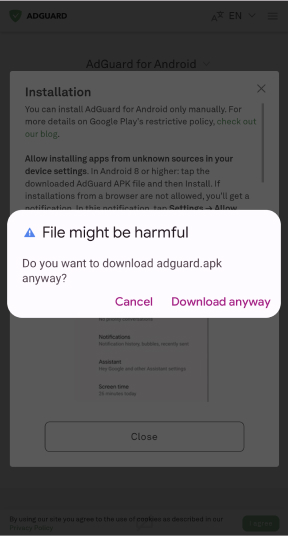
On Android devices, smishing attacks are more common and often more effective because Android allows users to install apps from outside the official Google Play Store. Tapping a malicious link in a smishing message may prompt you to download an app that looks legitimate but is actually infected with malware. Once installed, this app may request permissions to access your contacts, messages, call logs, camera, or even your banking apps. If granted, the malware can steal sensitive data, monitor your activity, or even take control of the device without your knowledge.
On iOS devices, like iPhones, the system is more locked down. Apple only allows apps from the App Store unless the device is jailbroken, which makes smishing malware harder to install. However, that doesn’t make iOS immune. Smishing messages can still trick users into visiting fake websites that ask for login credentials or payment information. In some cases, these fake pages are convincing enough to fool even cautious users. Also, if the device is jailbroken, it becomes much more vulnerable to malware, just like Android.
Anyway, in both cases, the malware’s goal is the same: to steal personal or financial information, spy on your activity, or gain unauthorized access to your device. Never to click links or download apps from unknown or suspicious sources, no matter what kind of phone you use.
Can smishing lead to remote access to my phone?
Yes, smishing can give cybercriminals remote access to your phone, especially if you unknowingly install malware by clicking a malicious link in a text message. Once installed, certain types of malware can give cybercriminals control over key parts of your device without your knowledge.
This is more common on Android devices because the system allows apps to request a wide range of permissions. A malicious app installed through smishing might ask for access to your messages, camera, microphone, or location. If you grant those permissions, attackers could remotely monitor your activity, record audio, read your texts, or even control some functions of your phone.
On iPhones, this type of remote access is more difficult due to Apple’s strict app controls, but it’s not impossible. If an iOS device is jailbroken, it becomes far more vulnerable to these types of attacks. Even without jailbreaking, smishing can still be used to gather login credentials or session tokens, which attackers can use to gain remote access to your accounts and apps.
Who are the most common targets of smishing attacks?
One of the most common targets is bank customers, especially those who use mobile banking apps. Attackers often pose as financial institutions, sending fake alerts about suspicious activity or account freezes to trick users into revealing their banking information.
Older adults are also frequent targets. They may be less familiar with digital threats and more likely to trust messages that appear to come from government agencies, healthcare providers, or delivery services. This makes them more vulnerable to scams that create a sense of urgency or authority.
Employees in large organizations can also be targeted through smishing, especially in attacks aimed at gaining access to corporate systems. These messages might pretend to come from internal departments like IT or HR and ask users to click a link or download a fake app, potentially compromising the entire network.
Additionally, busy individuals — like parents, freelancers, or small business owners — are often targeted because they may act quickly without double-checking a message’s authenticity. Attackers exploit their fast-paced routines with texts about missed deliveries, invoices, or urgent security alerts.
How to protect yourself from smishing scams?
Protecting yourself from smishing scams starts with caution and awareness. If you receive a suspicious message, the most important rule is simple: don’t click any links unless you are absolutely sure the message is legitimate. Always check who the sender is — if the number is unfamiliar or the message seems out of context, it’s best to ignore or delete it.
Never enter personal or financial information into forms linked from an SMS, even if it appears to come from a trusted organization. Legitimate companies will rarely, if ever, ask for sensitive data through text messages.
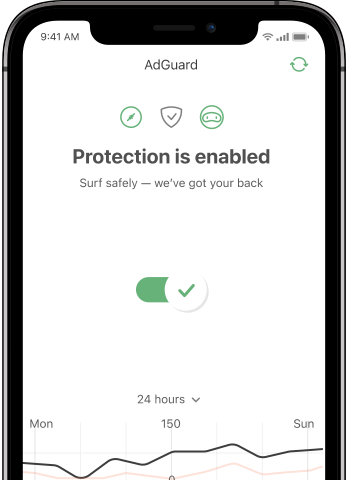
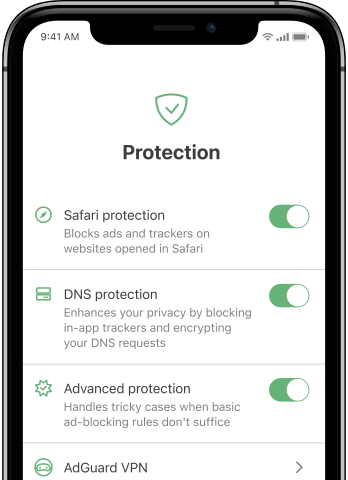
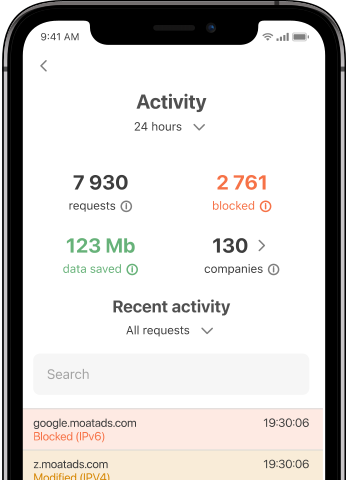
It’s also wise to use reliable threat detection tools and antivirus software on your phone. These can help identify malicious links and alert you to potential threats before any damage is done. Staying informed and cautious is your best defense against smishing attacks.
What should I do if I clicked a smishing link?
If you’ve clicked a smishing link, it’s important to act quickly to minimize potential damage. First, disconnect your device from the Internet immediately to prevent any malicious software from communicating with external servers or spreading further.
Next, contact your bank or financial institution to report the incident, especially if you entered any banking details. They can help you secure your accounts, monitor them for suspicious activity, and take steps to prevent unauthorized transactions.
You should also change the passwords for any accounts that may have been compromised, particularly those related to email, banking, or other sensitive services. If you use the same password across multiple platforms, it’s crucial to update them as well.
Finally, run a full antivirus or mobile security scan on your device. This can help detect and remove any malware that may have been installed. Taking these steps quickly can significantly reduce the risk of long-term consequences after a smishing attack.
Can SMS filtering help prevent smishing attacks?
Yes, SMS filtering can be an effective tool in preventing smishing attacks. SMS filtering technologies automatically detect and block suspicious or malicious text messages before they reach the customer’s inbox. These filters analyze message content, sender information, and known scam patterns to identify potential threats.
By reducing the number of fraudulent messages that customers receive, SMS filtering helps lower the risk of users falling victim to smishing scams. Many banks and mobile carriers collaborate to implement these filters, often combining them with other security measures like customer education and two-factor authentication for stronger protection. However, customers should still stay vigilant and avoid interacting with suspicious messages because SMS filtering is not foolproof.