As more automakers put factory features behind paywall, we’re racing towards a bleak future
With cars becoming ever more internet-connected and expensive to make, automakers are stuffing them with as many computers and software as possible to cash in later.
Have a BMW and want heated front seats? Pay $18 a month and add $10 on top of that if you want the steering wheel to be warm and cozy as well. A Mercedes owner and a sucker for speed? The German automaker has got you covered: for a laughing $1,200 a year, you’ll accelerate from 0 to 60 mph almost a second faster.
The common denominator of the electric car era is that in many cases you don’t even need to stop by the dealership for upgrades. Increasingly, upgrading your car is becoming like upgrading your smartphone. This is thanks to the over-the-air updates (OTA) technology that requires built-in wireless internet connection — a staple of modern e-vehicles. Aside from maintenance and repairs, the new tech allows automakers to activate hardware that was already installed into the car — from a distance and for a separate fee. By selling upgrades as subscriptions, manufacturers secure a recurrent stream of revenue, emulating the subscription-based model of tech giants like Netflix or Spotify.
But unlike music and video streaming, cars are not digital objects (at least not yet, since we still have not moved to the metaverse). Transferring the subscription-based business model onto the good ol’ automotive industry is a questionable fit at best, and it has drawn consumer blowback for a reason.
As subscriptions come to more mass-market brands like Toyota and Ford, we do have a cause for concern. If automakers start locking more and more features behind a paywall, we may one day find ourselves with a pile of metal and wires instead of a fully functional car, our magic carriages turned back into a pumpkin. How did we get here? And who is to blame for our (possibly) nightmarish future? Well, it starts with an “E”… and ends with an “N”.
There was a word and the word was Tesla
Elon Musk’s Tesla has been a trailblazer in the field of over-the-air updates. In the early 2010s, Tesla would supply cars with purposefully limited battery capacity and offer the owners to unlock the remainder of the range with a one-time payment. Thus, in 2016, Tesla was selling Model S 70 sedans with a built-in battery capacity of 75kWh, but owners could only use 70KWh of these unless they paid an extra $3,250. Until Tesla made the car’s autopilot standard to all trims, the company allowed Model S owners to unlock the feature with a one-time in-app purchase.
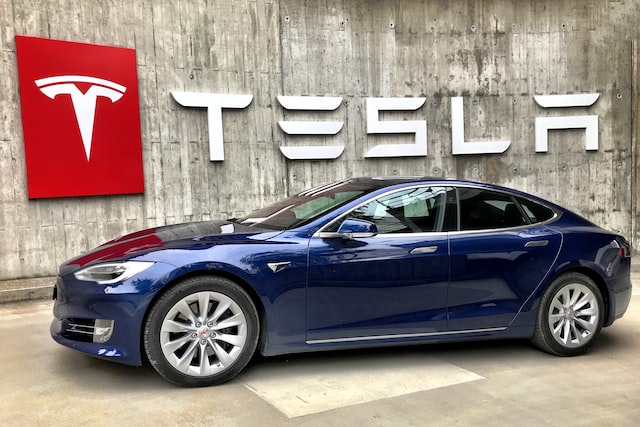
Tesla’s Model S. Photo: Tesla Fans Schweiz/ Unsplash
A one-time payment to unlock built-in features can be annoying, and it’s something you have to factor in, preferably, pre-purchase. But at least the amount is final, and you don’t have to worry about potential price hikes after you splurge on the bonus functionality.
That is, however, not the case with subscription plans, which Tesla also pioneered (perhaps it’s not a coincidence that Musk’s primary focus at Twitter has become premium subscriptions).
Since 2020, Tesla has been charging a monthly fee for its “premium connectivity” package, which includes satellite-view maps, in-car streaming, live traffic visualization, karaoke and internet browsing. Last year, the company began offering its “full self-driving” feature on a subscription basis for $199 a month. And while you can still buy lifetime access to the feature, it will cost you a tidy $15,000.
One could argue that automakers are in their right to charge a subscription fee for advanced features such as autopilot because it took research, investment, and know-how to create them. On the other hand, turning more run-of-the-mill features that depend on the car’s built-in hardware into subscriptions is harder to justify. Essentially, automakers are now pre-installing hardware into our cars but deactivating it in the hope that we’ll pay for it later and help them offset the costs. But didn’t we pay for that hardware already when we bought the car? It used to be that way, but it doesn’t seem to be so anymore.
Paying to start your car: a dystopian fantasy or the not-too-distant future?
In principle, so-called in-car microtransactions are no different from in-app purchases you make to upgrade, say, your VPN service to have a better speed and more locations. The problem, however, is that some carmakers aren’t just adding flashy new features and putting them behind paywall — they are starting to take away features that are usually free.
In 2018, BMW drew massive backlash after it introduced a yearly subscription fee for Apple CarPlay, a smartphone integration system that most other carmakers, including Kia and Mazda, made standard. BMW argued that the $80 annual subscription fee would allow it to keep the base cost of new BWMs at bay — but autolovers were not having it. A year later, BMW backpedaled on its plan.
One could argue that once you have splashed on a luxury car, then you have to bear whatever additional costs are thrown your way. But it is one thing for luxury automakers to behave outrageously; another, perhaps more worrisome, is that mainstream brands have also caught on to this trend and are now trying to monetize what little software they have rather than pursue innovation. This approach seems dubious, and we are far from alone in thinking so.
Last year, the world’s largest automaker, Toyota, found itself on the receiving end of a torrent of criticism after it bundled a key fob remote start with one of its subscription packages. The feature allows drivers to warm up a vehicle’s engine without actually getting into the car. Toyota initially confirmed the functionality would become part of a paid subscription and cost Toyota owners $8 a month. After the plan was met with outrage, Toyota claimed that the inclusion of the key fob remote start in the subscription plan was “an inadvertent result of a relatively small technical decision,” and promised to review it.
The free trial trap
A common trick automakers play is to give car owners extended “complimentary periods” to get them hooked on a feature before making them pay for it. The method is nothing new; it has been tried and tested by software vendors who often offer beta versions of their products for free. The catch is that if you don’t agree with the proposed subscription plan, you can easily uninstall the software, whereas changing the car — a physical object you paid tens of thousands of dollars for — is far from easy. In other words, it’s very hard to get yourself unhooked.
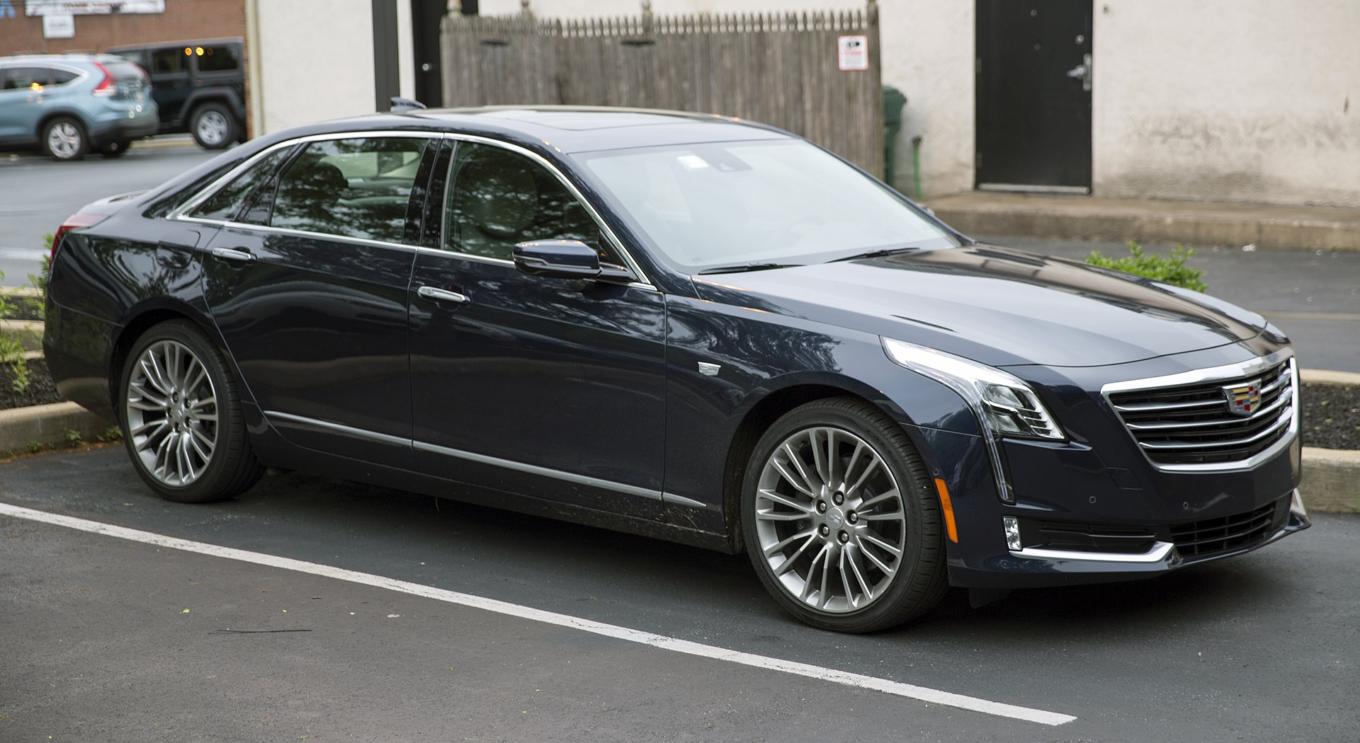
Examples of this “trickery” abound. For example, Cadillac owners who bought their cars in 2018 were told only two years later that the hands-free driving feature they were using would become part of a paid subscription, and that their free access plan was soon to expire.
Ford is borrowing from the same playbook. The American automaker has recently unveiled major updates to its built-in Amazon Alexa voice assistant. The new “friction and hands-free” version will be available for free for some Ford models for three years, after which Ford will begin charging car owners an as yet unspecified fee.
Netflix as a (mis)guiding star
Whether we will one day turn into cash cows for automakers remains to be seen. Companies still have to take feedback into account, and we’ve witnessed them reverse course under pressure. But it’s clear that automakers see subscriptions as a source of revenue that will never dry up, and are betting more and more on it. Some take inspiration from none other than Netflix.
“We looked outside of what people were willing and interested to pay from a vehicle perspective. We looked at subscriptions in people’s lives: What are you paying for Netflix or a music app? We took a very comprehensive look at peoples’ willingness to buy,” General Motors’ VP of strategy and innovation, Alan Wexler, said earlier this year.
General Motors expects its revenue from subscriptions, one-time purchases and insurance sales to reach $25 billion by the end of the decade. By comparison, Netflix posted a revenue of $29 billion in 2021.
However, just as Netflix is now introducing ads and personal data collection on a potentially large scale (more on this in our article about Netflix’s ads, we may see automakers going down the same misguided path. First, you’ll be able to buy features, and then they may want to know more about you to sell you more of those features and possibly target you with ads. In fact, building an ad targeting infrastructure would not be such a tall order for car manufacturers. Internet-connected vehicles already have a platform that can be used as the basis for tracking. And that seems to be exactly the kind of future we’re crashing into.

Photo: Venti Views on Unsplash
Wexler said that GM should soon be able to gain insights from customers’ vehicle data and target ads to them based on that data. Specifically, he said that if the company learns that you’re taking the same route on the way home every day, it will send you a message, suggesting that you try its hands-free driving feature. “We can offer it to you as a try and buy.”
This may not sound particularly ominous, but it does not bode well for privacy in the long run. Given that automakers are pivoting to the subscriptions-based model, we could as well see them adopting another feature that many subscription-based services have — ad-supported plans. These plans could come with a significant discount compared to their ad-free alternative. That will require collecting copious amounts of personal data and sharing it with advertisers, potentially violating user privacy. For now, though, this is just a dystopian scenario, which we hope will never play out in real life.
Subscriptions is a good thing when done right
In general, there is nothing wrong with the concept of subscription-based services. It used to be a healthy and ad-free alternative to the free services that tech giants such as Meta and (Google) and many others offer in exchange for your personal data.
However, when applied to a physical object as pricey as a car — essentially a computer on wheels — this approach seems Scroogelike. If you buy a car, a computer processor, or an induction cooktop, you expect them to perform to their full potential, and not to charge extra for, say, heating up to a certain degree. You also expect the manufacturer to not take away functionality from you on a whim.
The biggest problem is that when you pay a subscription fee, in many cases you don’t get some new and exciting functionality, instead you just gain access to the hardware already built into the car. In order for your front seats or steering wheel to be able to heat up, the manufacturer had to first develop the corresponding electronics and software and install them into the car. Does that mean you’ve already paid for them? We believe it does.
At best, this approach won’t affect the life of an average car owner and will be confined mostly to luxury brands. In the worst case scenario, however, it could turn a car back from a necessity into a luxury item, especially if automakers start locking features such as sliding windows or high beam headlights behind paywall. Moreover, it cannot be ruled out that car manufacturers would want to subsidize their subscription plans with ads. “Watch this ad before you turn on the heater” sounds like a nightmare, and we can only hope that one day we won’t wake up to it.