There is no such thing as balance when it comes to security: discussing the EU's contentious stance on encryption

First off, congratulations. We've won. Well, kind of. Apple officially delayed the implementation of CSAM initiative. The company's statement to the press was in its diplomatically nebulous fashion, but we can dare say, CSAM detection in the way it had been introduced to us was canceled.

Last month we announced plans for features intended to help protect children from predators who use communication tools to recruit and exploit them, and limit the spread of Child Sexual Abuse Material. Based on feedback from customers, advocacy groups, researchers and others, we have decided to take additional time over the coming months to collect input and make improvements before releasing these critically important child safety features.

Common sense has prevailed. For now.

How much "additional time" — not specified (though certainly not less than "several months"), what "improvements" — not specified either. And no speculations here, as Apple had described the CSAM detection algorithm as almost perfect and flawless, so who knows what they are going to improve.

Everybody was against it. Consumers, activists, human rights advocates, technology and privacy experts, including us. Now we know that we are not just some privacy fetishists, we had our point: CSAM detection had been loaded by risks, threats, and abuse potential.

Of course, it helped a lot that Apple had a big upcoming event this September. A new iPhone was to be announced, and it had been no good to announce it stuffed with a collection of child porn, even if it looked like a bunch of hashes.

Interim steps for terminal disaster

But not only commercial companies try to get us rid of privacy by appealing to child protection. Governments and international regulatory bodies do it too, and they are not bound by the necessity to think about their profits and balance between gathering more information or gaining control over people, and not scaring customers away.

This summer the European Parliament approved a "temporary regulation" that allows commercial companies that host web-based services to scan users' communications for signs of child abuse without becoming privacy laws violators (specifically, not to risk breaking GDPR rules).

The results showed that 537 members of European Parliament (MEPs) voted in favor of the bill, with 133 against and 24 abstaining. Despite the result, European lawmakers warned that the rules are "legally flawed" and could crumble in front of a court.

MEPs also decried the pressure they were under to approve the bill, calling it "moral blackmail", the press reported.

"Whenever we asked critical questions about the legislative proposals, immediately the suggestion was created that I wasn't sufficiently committed to fighting child sexual abuse," Dutch MEP Sophia in ‘t Veld said a day before the vote.

So it won't be any EU officials to monitor EU users' messages and emails for illegal content (there also had been audio messages in the first edition of the bill, they were omitted in the final one). It would be the commercial companies, service providers that can't fight the desire to protect kids. The initiative had belonged to the European Commission, and the Parliament passed the bill unusually quickly.

The Parliament tried hard to deliver their position via the media. "Service providers should use the least privacy-intrusive technologies possible", they assure us. Do we believe them? Hm.

Not much is explained about how exactly the monitoring is designed and implemented. "Online material linked to child sexual abuse is detected using specific technologies that scan content, such as images and text, or traffic data. While hashing technology helps with images and videos, classifiers and artificial intelligence are used to analyze text or traffic data to detect cyber grooming". — clearly, it's left up to the companies to decide the specifics, and the implementations may vary significantly.

The worst of all

The new approach to child protection threatens the very existence of encrypted messaging. Back in May, when Facebook announced its plans to add encryption to the Messenger app, the European Commission warned it that this move would turn the social network into "a haven for the pedophiles".

The new rules will be in action for three years. And the permanent legislation that is now being developed to replace them raises even more concerns. Firstly, it demands that encryption technologies allow scanning texts, images, videos in messages, chats, and emails. Secondly, it implies monitoring not only pornography or abuse, but also grooming — the process of building relationships with children in order to exploit them. This is a quite vague definition, and questions are being asked on whether robots would be able to detect it correctly.

Thirdly, now companies scan for child abuse volunteerly, new laws will make it mandatory.

United Europe divides over encryption

The good news is, officials all over the world have been trying to dig under encrypted messaging for quite a long time by now, but haven't yet found a way to rob us of it. They know all too well it would result in massive outrage and in migration of the actual criminal activity into darknet or less known platforms that are under the radar of regulators. They do not want to kill WhatsApp or even Telegram.

Besides, a united Europe doesn't look so much united when it comes to the opinion on encryption. Privacy is advertised as one of the main values of the European culture and politics. But child protection and the fight against terrorism are as well! No wonder there are signs of some regulatory schizophrenia. Just a few examples:

2017: "A European Parliament committee is proposing that end-to-end encryption be enforced on all forms of digital communications to protect citizens", BBC reports.

2020: "The terrorist attack in Vienna is used in the EU Council of Ministers to enforce a ban on secure encryption for services such as WhatsApp, Signal and many others in the rapid-boiling process. This emerges from an internal document dated November 6th from the German Council Presidency to the delegations of the member states in the Council", directly contradicting the previous statement.

2021: The proposal called for the creation of a "balance" between "security through encryption and despite encryption". The proposal called on EU member states to "join forces with the tech industry" to jointly create this balance, and to define and establish a regulatory framework as well as innovative approaches and best practices to respond to these challenges.

The last sentence of the quote above sounds like a plan for the next 30 years or so. EU institutions usually don't work very fast, especially when there is no consensus between them and with the nation.

"Security through encryption and despite encryption"

What a beautiful wording. Of course, we can understand the EU's rulers' desire to squeeze between Scylla and Charybdis unscratched. But the wording is just a desperate oxymoron, if we've already turned to loanwords from Greek, the tongue of Europe's mother culture.

There can be no partial encryption. All backdoors and exclusive only-for-the-state-that-only-wants-you-good accesses to sensitive personal data will be abused and will fall into the wrong hands sooner or later (it happens all the time, why are we even wasting letters again on this).

Even if you are (and especially if you are) an absolutely law-abiding citizen, have never blown up a single plane, or offended a single child, there is no reason to become an object of intrusive surveillance. Often performed with the help of contractors that are not employed by a company and not bound by its data management standards. You should not become a victim of people's or algorithms' honest mistakes and false positives; your security, safety, wellbeing, and reputation are not to be threatened.

So do not think that if you live in London or New Deli, you shouldn't be curious about Apple's initiatives on scanning photos of US citizens. It is a global trend. Every government is intended to keep an eye on the people. To watch its little brothers. To correct them when they are wrong and to punish them when they misbehave. The developing technologies create a lot of new benefits and opportunities, risks and threats, but even their creators can't always tell those apart — the technologies develop too fast.

And do not count on the future discovery of the balance or some golden mean between "security through encryption and despite encryption". When in need for security and privacy, choose apps that see full-fledged encryption as an imperative, and user protection as a priority.


Tetszett ez a bejegyzés?
AdGuard VPN AdGuard DNS AdGuard Mail AdGuard Wallet
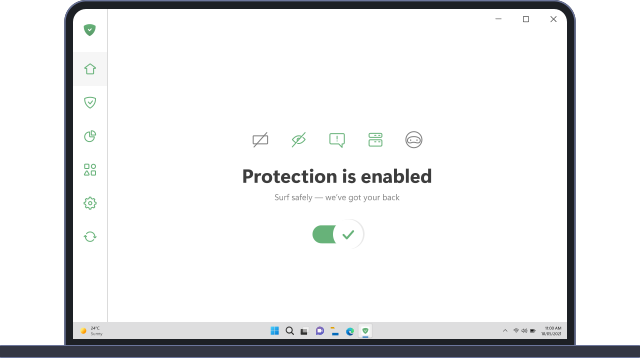
Az AdGuard for Windows főképernyője
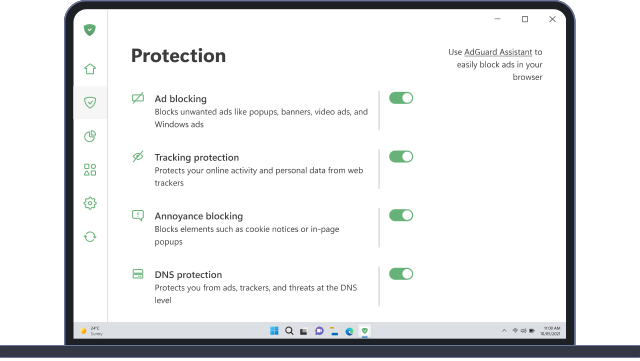
Az AdGuard for Windows Védelem képernyője, amely a védelem funkcióit és beállításait mutatja
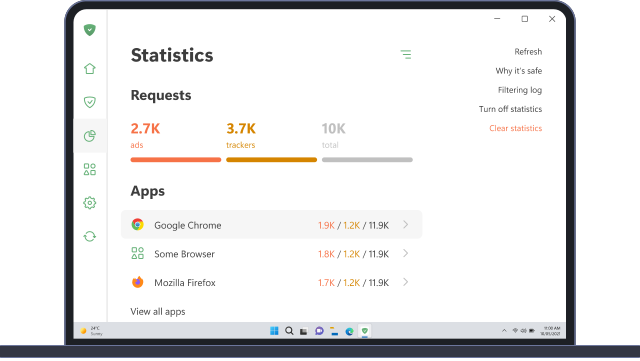
Az AdGuard for Windows Statisztikák képernyője, amely a letiltott hirdetések és nyomkövetők statisztikáit mutatja
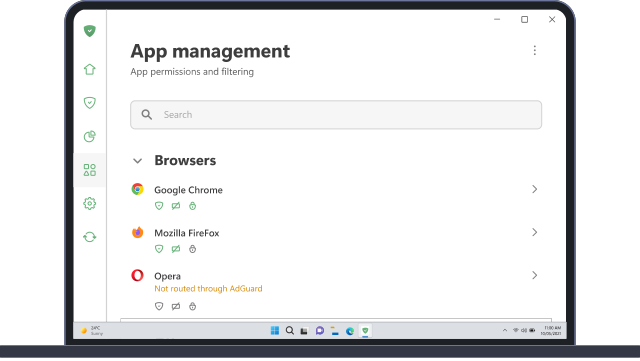
Az AdGuard for Windows Alkalmazáskezelés képernyője, amely az eszközre telepített alkalmazások védelemkezelési beállításait mutatja
20 410 20410 értékelések
Kiváló!

AdGuard: hirdetésblokkoló Windowshoz

Az AdGuard Windowsra több mint egy reklámblokkoló. Ez egy többcélú eszköz, amely blokkolja a hirdetéseket, szabályozza a hozzáférést a veszélyes webhelyekhez, felgyorsítja az oldalak betöltését, és megvédi a gyermekeket a nem megfelelő tartalmaktól
A program letöltésével elfogadja a licencszerződés feltételeit
Microsoft Store
A program letöltésével elfogadja a licencszerződés feltételeit
AdGuard Windowsra v8.0, 14-napos próbaidőszak
Az AdGuard for Mac főképernyője
Az AdGuard Mac-hez Lopakodó mód képernyője
20 410 20410 értékelések
Kiváló!

AdGuard: hirdetésblokkoló Mac-hez

Az AdGuard for Mac egy egyedi reklámblokkoló, amelyet kifejezetten a macOS-hez terveztek. Amellett, hogy megvéd a zavaró hirdetésektől a böngészőkben és az alkalmazásokban, védelmet nyújt a követés, az adathalászat és a csalás ellen
A program letöltésével elfogadja a licencszerződés feltételeit
Olvasson tovább
AdGuard Macre v2.19, 14-napos próbaidőszak
Az AdGuard for Android főképernyője
Az AdGuard for Android Követés elleni védelem képernyője
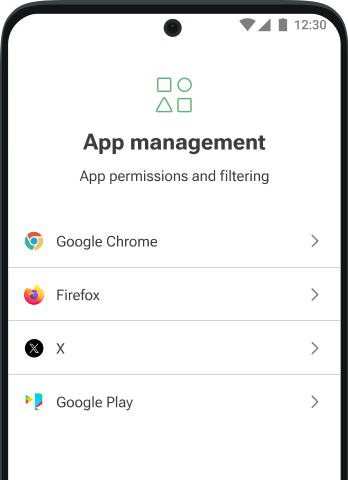
Az AdGuard for Android Alkalmazáskezelés képernyője, amely az eszközre telepített alkalmazások védelemkezelési beállításait mutatja
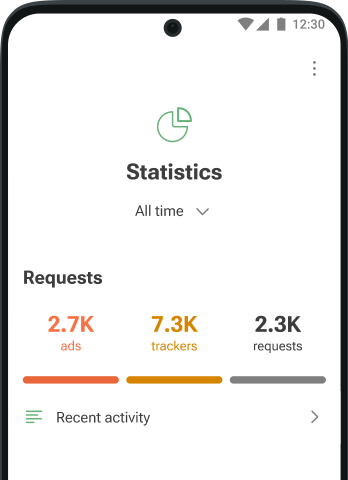
Az AdGuard for Android Statisztikák képernyője, amely a letiltott hirdetések és nyomkövetők statisztikáit mutatja
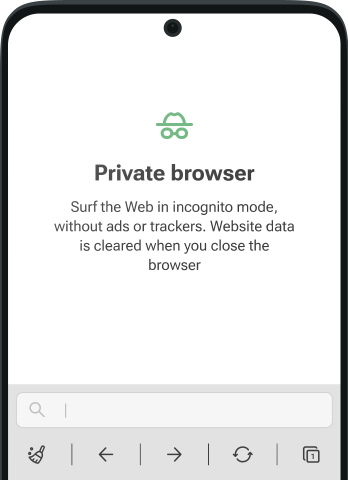
Az AdGuard privát böngészőjének főképernyője Androidon
QR-kód az AdGuard for Android letöltéséhez
20 410 20410 értékelések
Kiváló!

AdGuard: hirdetésblokkoló Androidra

Blokkolja a hirdetéseket és a nyomkövetőket minden böngészőben, játékban és egyéb alkalmazásban. Védi a magánszféráját, és lehetővé teszi, hogy szabályozza, hogyan használják az alkalmazásai az Internetet. APK-n keresztül telepítve
A program letöltésével elfogadja a licencszerződés feltételeit
Olvasson tovább
Letöltésre szolgáló szkennelés
Használjon a készüléken elérhető QR-kódolvasót
AdGuard Androidra v4.14, 14-napos próbaidőszak
Az AdGuard for iOS főképernyője
Az AdGuard for iOS Védelem képernyője, amely a védelem funkcióit és beállításait mutatja
Az AdGuard for iOS Statisztikák képernyője, amely a letiltott hirdetések és nyomkövetők statisztikáit mutatja
QR-kód az AdGuard for iOS letöltéséhez
20 410 20410 értékelések
Kiváló!

AdGuard: hirdetésblokkoló az iOS-hez

A legjobb iOS-es reklámblokkoló iPhone-hoz és iPadhez. Az AdGuard mindenféle hirdetést és követőt eltávolít a Safariban, és DNS-szinten védi az adatvédelmedet az összes alkalmazásban
A program letöltésével elfogadja a licencszerződés feltételeit
Olvasson tovább
Letöltésre szolgáló szkennelés
Használjon a készüléken elérhető QR-kódolvasót
AdGuard iOS-re v4.5
Az AdGuard Content Blocker főképernyője
Az AdGuard Content Blocker Szűrők képernyője
Az AdGuard Content Blocker Beállítások képernyője
20 410 20410 értékelések
Kiváló!

AdGuard Tartalomblokkoló

Az AdGuard Content Blocker kiküszöböli a mobilböngészők minden olyan hirdetését, amely támogatja a tartalomblokkoló technológiát — nevezetesen a Samsung Internet és a Yandex böngésző. Funkciói korlátozottak az AdGuard for Androidhoz képest, de ingyenes, könnyen telepíthető és hatékony
A program letöltésével elfogadja a licencszerződés feltételeit
Olvasson tovább
AdGuard Tartalomblokkoló v2.8
Az AdGuard Browser Extension főképernyője
Az AdGuard Browser Extension Követés elleni védelem képernyője
20 410 20410 értékelések
Kiváló!

AdGuard Böngészőkiegészítő

Az AdGuard a leggyorsabb és a legkönnyedebb hirdetésblokkoló bővítmény, amely hatékonyan blokkolja az összes hirdetéstípust az bármelyik weboldalon! Válassza az AdGuard lehetőséget az Ön által használt böngészőhöz, hogy hirdetésektől mentesen, gyorsan és biztonságosan böngészhessen.
Telepítés
A program letöltésével elfogadja a licencszerződés feltételeit
Telepítés
A program letöltésével elfogadja a licencszerződés feltételeit
Telepítés
A program letöltésével elfogadja a licencszerződés feltételeit
Telepítés
A program letöltésével elfogadja a licencszerződés feltételeit
Telepítés
A program letöltésével elfogadja a licencszerződés feltételeit
Olvasson tovább
AdGuard Böngészőkiegészítő v5.5
Az AdGuard Assistant főképernyője
20 410 20410 értékelések
Kiváló!

AdGuard Asszisztens

A [AdGuard asztali alkalmazások] böngészőbővítménye(https://adguard.com/products.html?_plc=hu). Lehetővé teszi a webhelyek egyéni elemeinek blokkolását, webhelyek hozzáadását az engedélyezési listához, és jelentések küldését közvetlenül a böngészőből
AdGuard Asszisztens v1.4
20 410 20410 értékelések
Kiváló!

AdGuard Home

Az AdGuard Home egy hálózati alapú megoldás a hirdetések és nyomkövetők blokkolására. Telepítse egyszer az útválasztóra, hogy lefedje az otthoni hálózat összes eszközét – nincs szükség további kliensszoftverre. Ez különösen fontos a különféle IoT-eszközök esetében, amelyek gyakran veszélyt jelentenek az Ön magánéletére
AdGuard Home v0.107
Az AdGuard Pro for iOS főképernyője
Az AdGuard Pro for iOS Védelem képernyője, amely a védelem funkcióit és beállításait mutatja
Az AdGuard Pro for iOS Statisztikák képernyője, amely a letiltott hirdetések és nyomkövetők statisztikáit mutatja
20 410 20410 értékelések
Kiváló!

AdGuard Pro iOS-re

Az AdGuard Pro iOS-hez verziója minden fejlett hirdetésblokkoló védelmi funkcióval rendelkezik. Ugyanazokat az eszközöket kínálja, mint az AdGuard iOS fizetős verziója. Kiválóan blokkolja a hirdetéseket a Safariban, és lehetővé teszi a DNS-beállítások testreszabását a védelem személyre szabásához. Blokkolja a hirdetéseket a böngészőkben és alkalmazásokban, megvédi gyermekeit a nem megfelelő tartalmaktól, és biztonságban tartja személyes adatait.
A program letöltésével elfogadja a licencszerződés feltételeit
Olvasson tovább
AdGuard Pro iOS-re v4.5
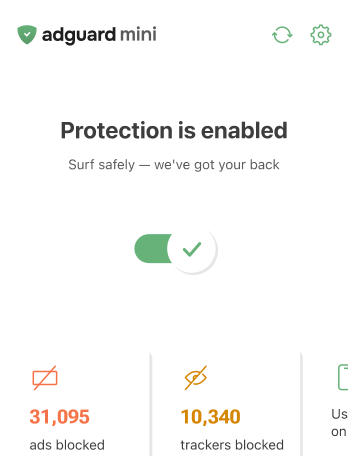
Az AdGuard Mini for Mac főképernyője
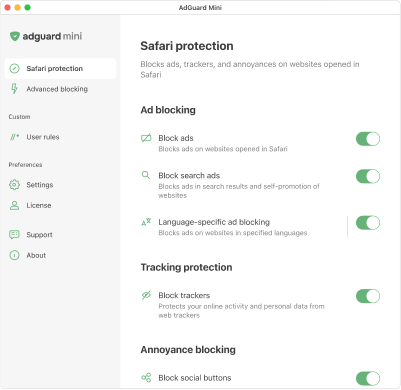
Az AdGuard Mini for Mac Safari védelem képernyője
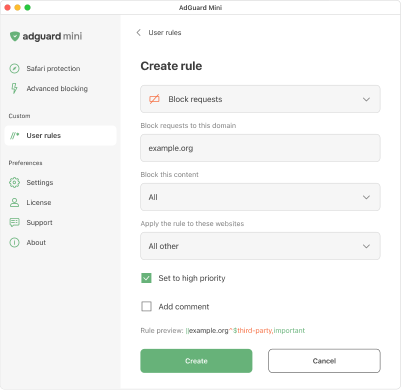
Az AdGuard Mini for Mac Szabály létrehozása képernyője
20 410 20410 értékelések
Kiváló!

AdGuard Mini Mac-hez — Safari hirdetésblokkoló

Az AdGuard Mini Mac-re egy hatékony Safari hirdetésblokkoló. Ez a könnyű alkalmazás eltávolítja a hirdetéseket, blokkolja a nyomkövetőket, és felgyorsítja az oldalak betöltését. Segít zavaró tényezők nélkül böngészni a webet Safariban, és megőrzi az adataid privát jellegét
AdGuard Mini Mac-hez v2.3
Az AdGuard for Android TV főképernyője engedélyezett védelemmel
Az AdGuard for Android TV hirdetésblokkolás képernyője, amely a funkciókat és beállításokat mutatja
Az AdGuard for Android TV Beállítások képernyője
Az AdGuard for Android TV Alkalmazáskezelés képernyője, amely azokat az alkalmazásokat mutatja, ahol a hirdetések és nyomkövetők le vannak tiltva
20 410 20410 értékelések
Kiváló!

AdGuard Android TV-hez

Az Android TV-hez készült AdGuard az egyetlen alkalmazás, amely blokkolja a hirdetéseket, védi az Ön adatait, és tűzfalként működik a Smart TV-ben. Figyelmeztetéseket kaphat a webes fenyegetésekről, használjon biztonságos DNS-t, és élvezze a titkosított forgalom előnyeit. Pihenjen, és merüljön el kedvenc műsoraiban a csúcsminőségű biztonság és  zero  hirdetés!
AdGuard Android TV-hez v4.14, 14-napos próbaidőszak
Az AdGuard kabalája, Agnar, aki a Linux pingvint tartja
20 410 20410 értékelések
Kiváló!

AdGuard Linuxhoz

Az AdGuard for Linux a világ első rendszerszintű Linux-hirdetésblokkolója. Blokkolja a hirdetéseket és a nyomkövetőket eszközszinten, válasszon az előre telepített szűrők közül, vagy adja hozzá sajátját – mindezt a parancssori felületen keresztül
AdGuard Linuxhoz v1.4
20 410 20410 értékelések
Kiváló!

AdGuard Temp Mail

Ingyenes ideiglenes email címgenerátor, amely névtelenül tartja és védi magánéletét. Nincs spam a fő postaládájában!
20 410 20410 értékelések
Kiváló!

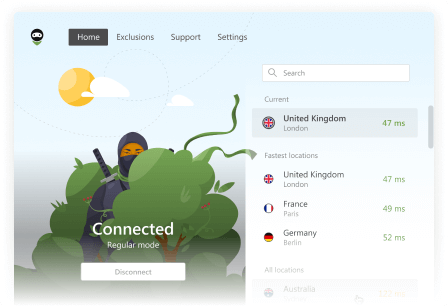
AdGuard VPN

75 végpont világszerte

Hozzáférés bármilyen tartalomhoz

Erős titkosítás

Nincs naplózás

Gyorsabb kapcsolódás

0-24 támogatás

20 410 20410 értékelések
Kiváló!

AdGuard DNS

Az AdGuard DNS egy bolondbiztos módszer az internetes hirdetések blokkolására, amely nem igényel alkalmazásokat. Könnyen használható, teljesen ingyenes, könnyen beállítható bármilyen eszközön, és csak minimálisan szükséges funkciókat biztosít a hirdetések, számlálók, rosszindulatú webhelyek és felnőtteknek szóló tartalmak blokkolásához.
20 410 20410 értékelések
Kiváló!

AdGuard Mail

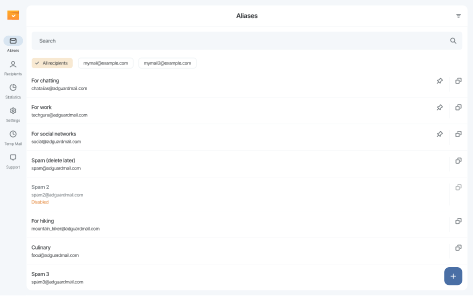
Védje személyazonosságát, kerülje a kéretlen leveleket, és tartsa biztonságban postafiókját álneveinkkel és ideiglenes email címeinkkel. Élvezze ingyenes email továbbító szolgáltatásunk és alkalmazásaink előnyeit minden operációs rendszerre.
20 410 20410 értékelések
Kiváló!

AdGuard Wallet

Biztonságos és privát kriptopénztárca, amely teljes ellenőrzést biztosít eszközei felett. Kezeljen több pénztárcát, és fedezzen fel több ezer kriptovalutát tárolásra, küldésre és cserére
Az AdGuard letöltése megkezdődött Kattintson a nyíllal jelzett gombra a telepítés elindításához. Válassza a "Megnyitás" lehetőséget, és kattintson az "OK" gombra, majd várja meg a fájl letöltését. A megnyílt ablakban húzza az AdGuard ikont az "Alkalmazások" mappába. Köszönjük, hogy az AdGuardot választotta! Válassza a "Megnyitás" lehetőséget, és kattintson az "OK" gombra, majd várja meg a fájl letöltését. A megnyílt ablakban kattintson az "Telepítés" gombra. Köszönjük, hogy az AdGuardot választotta!
Telepítse az AdGuardot mobileszközökre is: