Is Aliexpress safe?
Highlights:
AliExpress connects buyers with independent sellers worldwide.
Prices are low due to direct-from-manufacturer sales and cost-saving practices.
The platform offers buyer protection, secure payments, and dispute resolution.
Seller reliability and product quality can vary widely.
Safe shopping depends on reviewing sellers, tracking orders, and using secure payments.
What is AliExpress and how does it work?
AliExpress is a global e-commerce marketplace owned by the Alibaba Group. It connects buyers directly with sellers — mostly manufacturers, wholesalers, and small businesses. The platform itself doesn’t sell products or hold inventory. Instead, it provides the infrastructure for third-party sellers to list items and reach customers worldwide.
The marketplace model allows sellers to create their own storefronts, set prices, describe products, and handle shipping. Buyers browse listings, place orders, and make payments through the platform. Payments are held by AliExpress and released only after you confirm receipt of the order or after the buyer protection period ends.
Most sellers on AliExpress are based in China, although the platform also hosts sellers from other countries. Because sellers operate independently, product quality, pricing, shipping times, and customer service can vary significantly from one listing to another. This variability is one of the main reasons why shoppers wonder if Aliexpress is trustworthy in practice, not just in theory.
AliExpress provides tools such as seller ratings, customer reviews, dispute resolution, and buyer protection to help manage transactions between buyers and third-party sellers.
Why are prices on AliExpress so cheap?
AliExpress offers lower prices mainly because many sellers sell directly to consumers. This removes middlemen like distributors and retail stores, cutting multiple layers of markup.
Operating and production costs also play a role. Many sellers are in regions with lower manufacturing, labor, and warehousing costs, which allows them to sell at reduced prices while staying profitable. Large-scale production further lowers per-unit costs.
Shipping choices affect prices too. Sellers often use low-cost international shipping that prioritizes affordability over speed. Longer delivery times help keep shipping costs down, which is reflected in product prices.
Another factor is branding and marketing. Many items are sold without well-known brand names, premium packaging, or extensive customer support. That’s why prices can be lower — but it may come with trade-offs in delivery speed, brand recognition, or product consistency.
Is AliExpress safe to use overall?
Whether AliExpress is safe generally depends less on the platform itself and more on how it is used. The platform provides secure payment processing, an escrow-style system that holds funds until orders are confirmed, and a dispute resolution process for unresolved issues.
At the same time, the marketplace hosts many independent sellers, which leads to variability in product quality, reliability, and the shopping experience. Some risks include misleading product descriptions, counterfeit items, delayed or missing shipments, and inconsistent customer service. These risks come from individual sellers rather than the platform itself.
Your safety depends a lot on your own actions. Checking seller ratings, reading customer reviews, understanding shipping terms, and keeping track of buyer protection deadlines all affect how secure a purchase is. When these precautions are followed, AliExpress can be used safely, though no transaction is guaranteed to be risk-free.
How does AliExpress buyer protection work?
Buyer protection helps reduce risks by managing payments and disputes. When you place an order, your payment is held temporarily by the platform instead of going directly to the seller. This means sellers only receive money after you confirm the order or after the buyer protection period expires.
If your order doesn’t arrive, is damaged, or doesn’t match the description, you can open a dispute during the protection period. You submit evidence such as photos, screenshots, or tracking information. The seller can respond, and if no agreement is reached, AliExpress reviews the case and may issue a full or partial refund. Refunds go back through your original payment method once the case is resolved.
Quick summary:
Payments are held until order confirmation.
You can open a dispute if the product doesn’t arrive or is different from the listing.
AliExpress steps in if the buyer and seller can’t agree.
Can AliExpress sellers access my payment details?
AliExpress sellers do not have access to your payment details. All payments are processed through the platform’s payment system, and sensitive information such as credit card numbers and banking data is handled at the platform level.
Sellers receive confirmation that an order has been paid, but they do not see your full payment information. This separation between sellers and payment data is part of how AliExpress manages transactions and helps reduce the risk of financial information being exposed to individual third-party sellers.
Is AliExpress safe for personal and financial data?
AliExpress collects personal and financial information needed to run the marketplace. This includes your name, address, contact details, payment info, and order history. Payment information is processed through the platform itself and is not shared directly with sellers.
Some personal data may be shared with third parties involved in fulfilling your order, such as sellers, logistics providers, or payment processors — but only as needed to complete the transaction and deliver your items. Sellers usually receive just enough information to ship the product, like your name and address, but never full payment details.
The platform stores user data securely and applies measures to protect it from unauthorized access. Using AliExpress means trusting the platform and its partners with your information, which is standard for most global online marketplaces.
Quick takeaway:
Your payment info stays with AliExpress, not the seller.
Sellers get only the details needed to ship your order.
Security measures protect stored personal data, but some trust is required.
How can I tell if an AliExpress seller is legit?
Before ordering, check several indicators to see if a seller is reliable. Start with the seller’s rating and number of completed orders — higher ratings and longer histories usually signal a more established seller.
Customer reviews and photos give extra insight. Detailed reviews with real product images show product quality, accuracy, and shipping reliability. Watch out for missing reviews, repeated complaints, or reports of items not matching descriptions.
Also consider how long the store has been active. Older stores are less likely to disappear after a purchase. Check whether product descriptions are clear, shipping and return policies are outlined, and the seller responds promptly to questions.
Red flags to watch for:
Unrealistically low prices for branded items
Vague descriptions or copied images
Inconsistent or misleading product details
Is AliExpress shipping reliable?
Shipping reliability on AliExpress can vary widely because sellers choose different logistics options. Delivery experiences depend on the seller, the shipping method, and the destination.
You’ll find economy options with little or no tracking and standard or expedited methods with more detailed tracking. Standard tracking numbers may update slowly or intermittently, and some low-cost methods stop updating once the package leaves the origin country, making it harder to monitor progress.
Delivery times are usually longer than domestic e-commerce platforms. Standard shipping can take several weeks, while expedited options are faster but more expensive. Packages may pass through customs, adding unpredictability to delivery schedules.
Quick summary:
Shipping speed and tracking vary by seller and method.
Economy options often have limited tracking.
Check estimated delivery windows and tracking before ordering.
Can AliExpress sellers fake reviews?
Yes, review manipulation happens. One method is review padding, where sellers post many generic positive reviews to make a product look more trustworthy. These reviews often repeat phrases, lack details, or appear in large batches over a short period.
Another tactic is brushing, where sellers send small or unsolicited items to real addresses. This creates verified deliveries and allows them to leave fake positive reviews using real accounts. These reviews may not reflect actual experiences with the product you are buying.
How to spot fake reviews:
High number of five-star ratings with minimal written feedback.
Repeated wording across multiple reviews.
Reviews that don’t mention product features.
Photos that don’t match the listing.
AliExpress uses automated systems to detect suspicious activity, but some fake reviews still appear. Reviews are most reliable when detailed, include photos, and are spread out over time.
What are the most common AliExpress scams?
Several scams have been reported on AliExpress:
Bait-and-switch. Listings advertise a high-quality or branded product at a very low price but deliver a cheaper or different item. Misleading images or descriptions make inferior products look more valuable.
Fake tracking numbers. Sellers provide tracking info that doesn’t match the shipment. The tracking may show progress on unrelated packages, appear delivered to the wrong address, or never update.
Non-delivery or empty packages. Sellers mark items as shipped but either don’t send anything or send a trivial/empty package, sometimes with false delivery confirmations.
Brushing scams. Low-value unsolicited items arrive at your address to create fake verified deliveries and boost seller ratings.
Other deceptive practices. Partial shipments from multi-item orders or requests to pay outside AliExpress, which bypasses buyer protection.
Is there a risk of malware or hacked devices?
There can be a risk of malware or compromised devices when buying electronics or connected hardware on AliExpress, although this does not affect all products. In some cases, investigations have identified devices that came preloaded with malicious software at the factory.Once connected to the Internet, such devices performed unwanted actions, including communicating with remote servers or participating in ad fraud networks without the user’s awareness.
Products that run software or firmware carry a higher risk. Reports have highlighted certain Android TV boxes and other smart devices that contained embedded malware straight out of the box. These devices may run background processes, behave like infected systems, and potentially expose networks or data.
Because AliExpress hosts many independent sellers and manufacturers, the risk depends on the specific product and its source. Electronics from lesser-known brands with limited feedback are more likely to raise concerns. Checking seller reputation, reading detailed reviews, and choosing established brands can reduce the chances of receiving a device with hidden security issues.
Quick summary:
Some smart devices have been found with preinstalled malware.
Products running firmware or software carry higher risk.
Seller reputation and detailed reviews matter most for electronics.
What should I do if I get scammed on AliExpress?
If you believe you have been scammed, open a dispute through AliExpress before the buyer protection period expires. You can do this if your order does not arrive, arrives damaged, or differs from the product description. Timing is critical, as disputes cannot be opened once the protection period ends.
When filing a dispute, you need to provide evidence. This can include screenshots of the listing, photos or videos of the item you received, tracking details, or messages exchanged with the seller. The process begins with you and the seller trying to reach an agreement, such as a full or partial refund.
If no agreement is reached, AliExpress reviews the case. The platform evaluates the evidence from both sides and makes a decision based on order details and buyer protection rules. If the dispute is resolved in your favor, the refund is issued through your original payment method.
Keep all communication and payments inside the AliExpress platform. If a seller asks you to move conversations or payments elsewhere, buyer protection may no longer apply, making it much harder to recover your money.
Quick summary:
Open disputes before buyer protection expires.
Provide clear evidence to support your claim.
Never move payments or communication off-platform.
How to shop safely on AliExpress
Safe shopping on AliExpress starts with choosing the right sellers and products. Before ordering, review the seller’s profile carefully. Look at ratings, the number of completed orders, store age, and detailed customer reviews. Reviews with photos and specific comments about product quality are usually more reliable than short or generic ones.
Examine product listings closely. Clear descriptions, detailed specifications, and consistent images signal a more trustworthy offer. Extremely low prices on branded or high-value items are a common warning sign and often point to counterfeit or misleading listings. Shipping methods also matter — check estimated delivery times and whether tracking is included to avoid surprises.
Always pay through the AliExpress platform using supported payment methods. Keep all communication with sellers inside the system, as moving payments or messages elsewhere can void buyer protection. After ordering, monitor shipping progress and track the buyer protection deadline. If something goes wrong, open a dispute before that period ends.
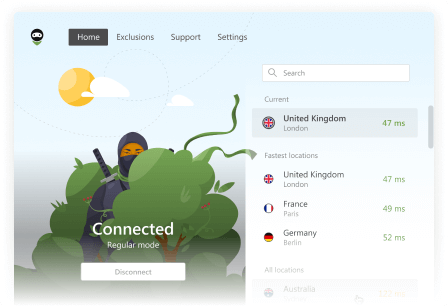
Basic account security also plays a role. Use strong passwords, enable available security features, and avoid storing unnecessary payment information. Using an AdGuard VPN can add an extra layer of protection when accessing AliExpress on public or unsecured Wi-Fi. A VPN encrypts your connection and reduces the risk of third parties intercepting your data. While it doesn’t prevent seller-related issues or affect buyer protection, it can help protect your privacy and account security when traveling or using public networks.
Safe shopping checklist:
Check seller ratings, reviews, and store age.
Be cautious with unusually low prices.
Pay and communicate only within AliExpress.
Track orders and buyer protection deadlines.
Use strong passwords and secure connections.