Your YouTube history is now an alcohol ad target
It’s not a secret that the viewer experience on YouTube has been getting progressively worse in recent years. We’re talking longer unskippable ad breaks, pause ads that appear the moment you hit the space bar, banner ads in the corner of the video — to name a few. Yet the platform keeps dressing up each new downgrade as something positive or neutral at best. For instance, thirty-second unskippable TV ads are “built for the big screen” while pause ads got “both strong advertiser and viewer response”, according to YouTube.
But the last nail in the coffin of the YouTube experience — its greenlighting of personalized alcohol ads — might be the hardest yet to justify.
So what exactly changed?
Starting October 30, 2026, advertisers can run personalized ads for alcohol, alcohol-related products, and alcohol alternatives on YouTube under a policy update Google published on September 3. The change doesn’t apply in Egypt, India, Indonesia, or Poland for now.
“Personalized” means what you’d expect: your YouTube history, searches, and viewing habits can now be used to decide which alcohol ad you see. Google says it still prohibits targeting based on alcohol-related health information — whatever that means in practice — while keeping age restrictions and limits on sensitive categories. Minors, obviously, are excluded from personalized alcohol ads entirely. The announcement also points users to My Ad Center, where you can ask for fewer ads about specific topics or brands. In this case, that means fewer alcohol ads. But “fewer” doesn’t mean none.
That’s the official version. The practical version is simpler. YouTube is owned by Google, after all. Google already has your search history, your location, and data from the sites you visit through its ad network; add what you watch, rewatch, and search for (including whatever you’re watching at 2 a.m.) and it has a fairly detailed picture of who you are and which drink ad to show you. For most viewers, it’s just another ad. For people in recovery or anyone trying to cut back, it’s the last thing they need in their feed. Google says the update reflects “growing customer interest, emerging categories, and improved controls and data protections.” Translation: advertisers got a new ad category, and you got another settings menu to dig through.
The latest degradations — and the pattern behind them
The alcohol ads are the freshest example, but they’re not a one-off. YouTube’s recent changes show a pattern: the free tier gets a little less comfortable, the escape hatch gets a little more expensive, and every step is explained as if it’s doing viewers a favor. None of it arrives with a big announcement — it just shows up, often as a “test,” sometimes as a quiet update.
Earlier this month, YouTube pulled the dedicated Subscriptions tab out of the mobile app’s bottom bar, burying the channels users follow and pushing them back into the algorithmic feed, where the next video and the next ad are always queued up. Meanwhile, the ad load keeps growing. Since spring, TV viewers have been reporting 90-second unskippable ads. YouTube called them a bug and promised a fix, but the complaints haven’t stopped, and around the same time, the company made 30-second unskippable ads a global standard on connected TVs, reviving a format it retired in 2017 because, well, people hated it. Earlier this year, users with ad blockers on PC found comments and descriptions missing and the background-playback loophole quietly closed.
The playbook goes further than that. The worse the experience gets, the harder YouTube fights ad blockers. The current crackdown — the one behind the missing comments and the closed background-playback loophole — started in 2023, when YouTube began putting pop-ups over videos warning that ad blockers weren’t allowed; a month later it limited playback to three videos unless you allowlisted the site or paid. That same year, ads came to Shorts. In the summer of 2024, YouTube began stitching ads into the video stream with server-side insertion, and by that fall it had put ads on the pause screen. In early 2025, it added a banner claiming ad blockers violate its Terms of Service. Each time, the experience got a little worse, and the escape hatch invariably pointed to Premium.
The subscription maze: pay more, get less, repeat
Meanwhile, the escape hatch, YouTube’s Premium subscription, kept moving and getting more expensive. What started as a single ad-free tier has turned into a whole lineup of plans, each offering a slightly different definition of “ad-free.”
YouTube Red launched in 2015 as an ad-free tier at $9.99 a month; by the time it was rebranded as YouTube Premium in 2018, the price was $11.99. The first US hike came in 2023, to $13.99, with the family plan at $22.99. In spring 2025, YouTube relaunched Premium Lite at $7.99 as “mostly ad-free,” and by the end of June it had more ads. This April, the company raised prices again: $15.99 for Premium, $26.99 for the family plan, $8.99 for Premium Lite, and $11.99 for YouTube Music. Along the way, it tested putting 4K behind Premium, backed off after backlash, and then introduced 1080p Premium with enhanced bitrate — turning video quality itself into a subscription tier.
Today the company says it has 150 million Premium and Music subscribers. As for ads, it pulled in $11.2 billion in ad revenue in the third quarter, up from $10.26 billion a year earlier, but still missed analysts' expectations. That last part is the tell: when ad revenue misses expectations, it seems that the answer is more ad formats, and a higher price for the people who want out.
“But think of the creators!”
Every time YouTube adds an ad format, it says the same thing: this supports creators. It’s a nice line, but the math is more complicated. On long videos, creators get 55% of ad revenue, while YouTube keeps 45%. On average, YouTubers earn $18 per 1,000 ad views, but a recent survey of creators put the realistic range at $1.61 to $29.30, depending on topic, audience, and format. Also, an ad only counts toward creator revenue if someone watches at least 30 seconds or clicks it, so the money follows the ads people sit through, not the ones they skip. And not every ad YouTube runs pays creators at all: if a channel isn’t in the Partner Program, YouTube can still run ads on its videos and keep all of it. Demonetization can wipe out a video’s income overnight, sometimes by accident, and the rules are murky enough that creators have little leverage. That’s why so many vloggers rely on brand deals, memberships, Super Thanks, merch, and Patreon instead. So the ad money is real — YouTube pulled in $40.4 billion in ad revenue in 2025 — but the bigger question is how much of it reaches the people making the videos.
For most creators, the answer is not much. Which means ads do help creators, but skipping them probably won’t wipe out most creators’ livelihoods. At least not to the extent YouTube’s messaging suggests.
How to watch YouTube without ads
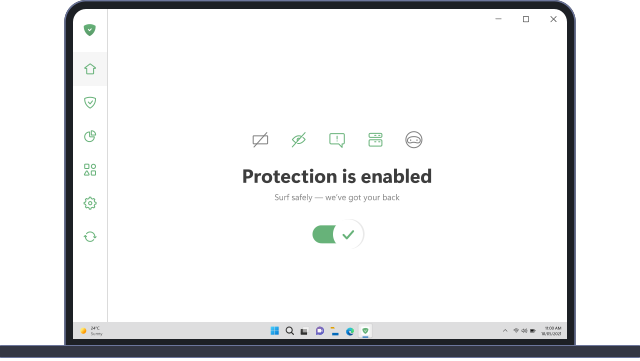
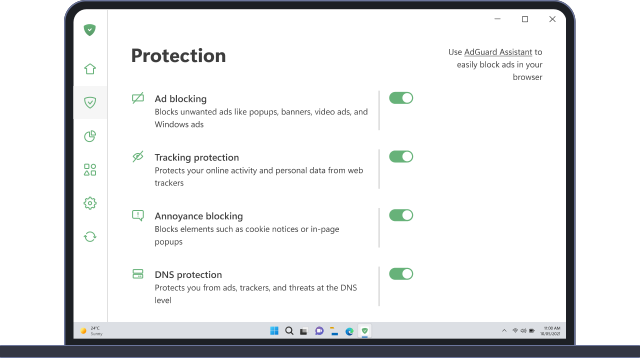
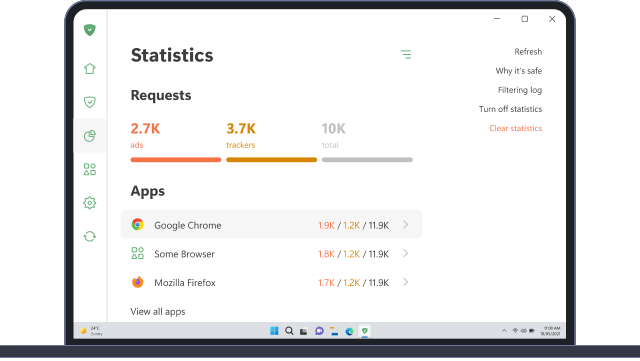
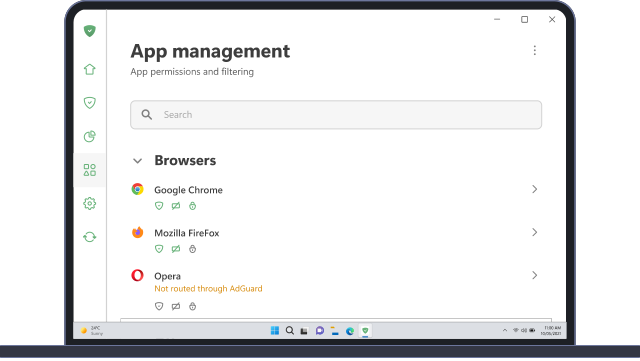
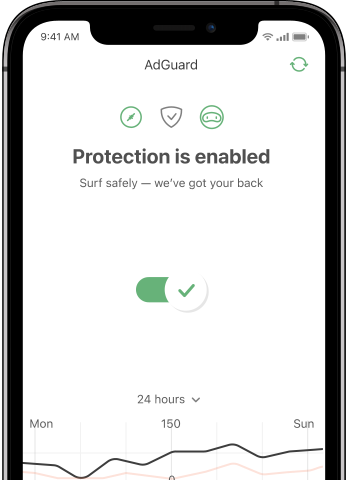
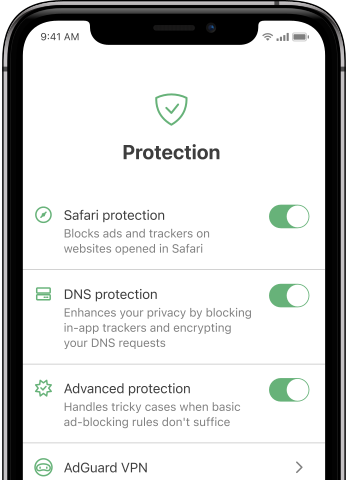
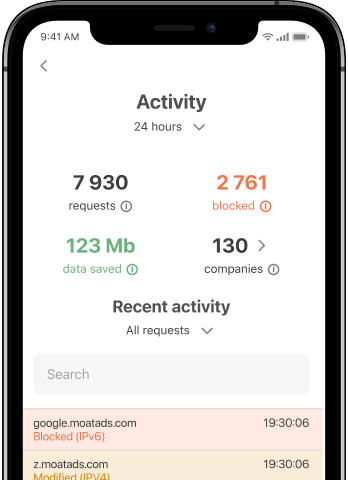
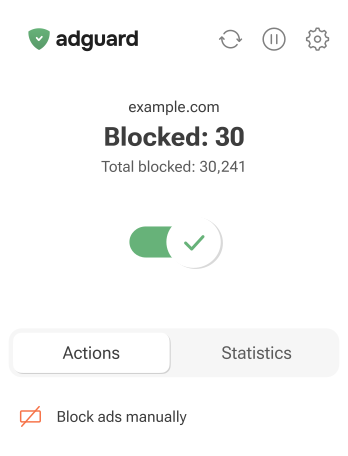
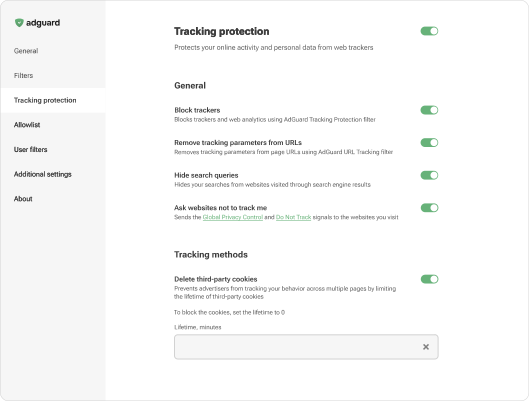
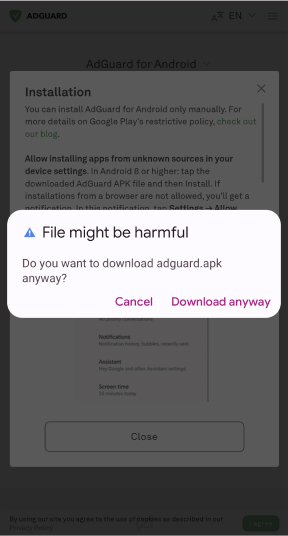
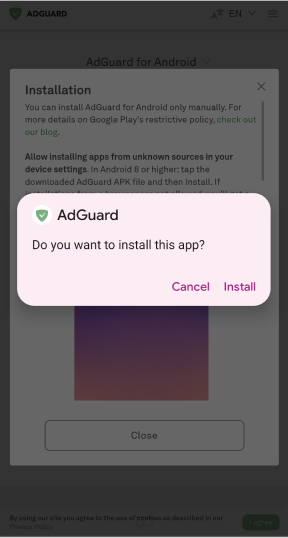
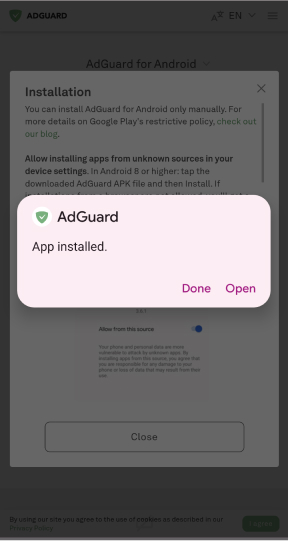
If you’d rather skip the ads, there are ways to watch YouTube without most of them, though what works depends on your device. On desktop, AdGuard for Windows or Mac blocks YouTube ads across your whole device, so it works whether you watch in Chrome, Firefox, Edge, or Safari; AdGuard Mini for Mac is a lighter, Safari-focused option. On Android, AdGuard for Android blocks ads in browsers and lets you share a video to its built-in player; AdGuard Mini for Android is the lighter alternative, with an ad-free video browser and DNS protection. On iPhone and iPad, AdGuard for iOS blocks ads in Safari and plays YouTube videos ad-free in its built-in player. On a TV, AdGuard for Android TV works on Android TV devices, but on other smart TVs DNS filtering can’t separate YouTube ads from the video, which is why Premium is often the only practical option. And if you want to support the creators you watch, memberships, Super Thanks, Patreon, merch, and donations usually give them a bigger cut than ads do.
By the way, ad blocking is legal in most places. It’s your device and your bandwidth even if YouTube’s terms would prefer otherwise.